
Where is Franciacorta produced?
Franciacorta, Italy’s prestigious sparkling wine, comes from a designated zone in the province of Brescia, nestled in the heart of Lombardy in northern Italy. This special area covers about 2,300 hectares of vineyards stretching from the city of Brescia eastward to the scenic shores of Lake Iseo, conveniently located just an hour’s drive from Milan.
This unique wine-growing territory includes 19 municipalities like Erbusco and Rovato, where vineyards climb gentle hills 150-400 meters high. The land here boasts an exceptional terroir shaped by ancient glaciers, while protection from the Alps and the moderating influence of Lake Iseo create ideal growing conditions.
Only wines produced within these strict boundaries can carry the coveted Franciacorta DOCG label, earned in 1995. This certification protects the wine’s geographic origin and guarantees you’re enjoying authentic, high-quality Italian sparkling tradition in every sip.
What makes Franciacorta unique among sparkling wines?
Franciacorta sparkling wines stand out through painstaking craftsmanship. Using the traditional method (fermented in the bottle), they develop exquisite bubbles and complex aromas during mandatory aging – at least 18 months for standard bottlings and 30 for Riservas. This process creates a creamy texture and subtle yeasty notes that distinguish them from other Italian sparkling wine styles.
The wines primarily blend Chardonnay, Pinot Nero, and Pinot Bianco, with the recent addition of up to 10% Erbamat, a local variety. From elegant Blanc de Blancs to delicate rosés, the diverse range showcases both the potential of this region and the winemakers’skills in this special corner of Italy.
The mineral-rich soils – packed with limestone, clay, and glacial deposits – give these wines structure and aging potential. Sheltered by the Alps and refreshed by lake breezes, the vineyards produce grapes with perfect balance, making Franciacorta the gold standard for contemporary Italian sparkling wines.
Key producers and cultural significance
Renowned Franciacorta wineries
Some of the most prestigious Franciacorta producers have put this Italian wine region on the global map. At Ca’del Bosco, founded in 1968 by Maurizio Zanella near Erbusco, they pioneered innovative techniques like controlled oxygenation and advanced cooling in winemaking. This trailblazing winery now produces acclaimed wines, with their Cuvée Prestige and Cuvée Annamaria Clementi standing as prime examples of Italian excellence.
Another leader is Bellavista, established in 1977 by Vittorio Moretti. Working with grapes from the same scenic vineyard area, they’ve elevated quality standards. Their Chardonnay Satèn perfectly showcases the refined character of Italian sparkling wines. These two producers have been instrumental in establishing Franciacorta as a world-class alternative to Champagne among premium sparkling wine from Italy.
Wine tourism and local pairing
The region has become a hotspot for wine lovers, offering visits to charming cellars and walks through vines with breathtaking views overlooking Lake Iseo. Many visitors enjoy tasting these elegant wines while cruising on the lake. Local cuisine provides perfect pairings – think saffron-infused Milan ese risotto, tender ossobuco, or freshly caught lake fish, culinary experiences now famous from Milan to Manhattan.
This land has a rich winemaking heritage. The name “franchae curtes” originally described tax-exempt monastic farms that first cultivated these vineyard s. Modern sparkling wine production began in the 1960s, but it was the 1995 DOCG designation that truly cemented Franciacorta’s reputation among Italy’s finest.
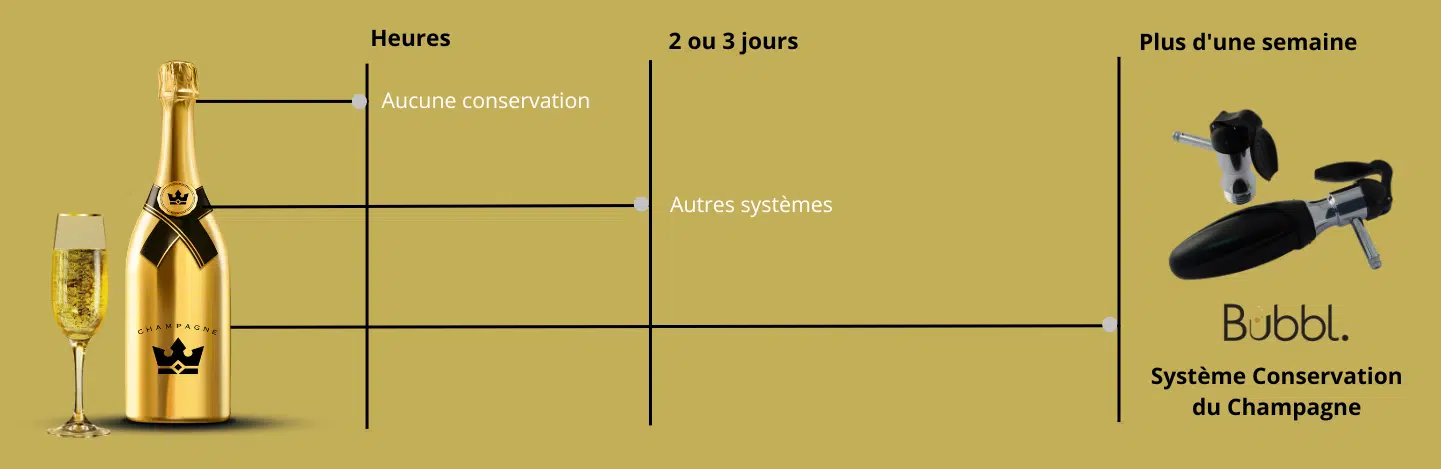
An ingenious preservation system featuring a Smart Cap and inert-gas technology keeps opened bottles fresh for up to a week without losing their signature effervescence. While designed for Champagne, it works beautifully with Cava and particularly well with precious Franciacorta. Discover how to keep your Franciacorta sparkling fresh and enjoy every last bubble.
How to preserve opened Franciacorta
Hailing from the scenic hills surrounding Iseo and Brescia, Franciacorta stands as Lombardy’s premier Italian sparkling wine. This sophisticated bubbly maintains incredible pressure in the bottle – which means once opened, you’ll want to take special care to protect its delicate aromas and fine bubbles. Learn professional techniques for keeping your Franciacorta perfectly fresh.
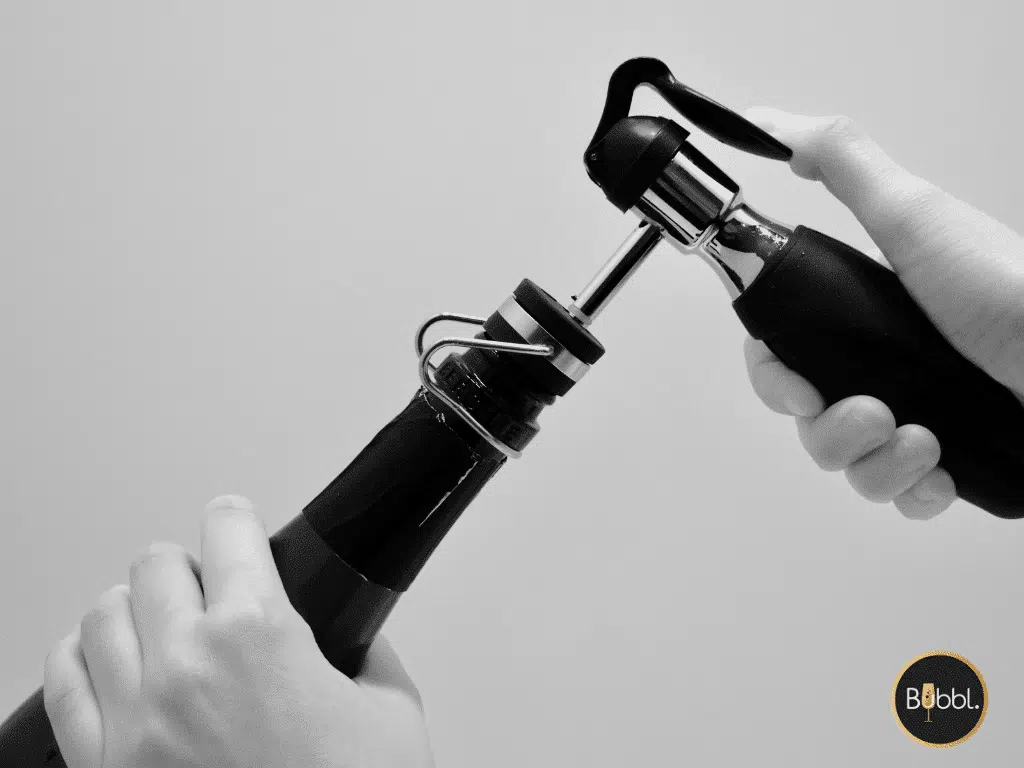
Designed specifically for premium Italian sparkling wines like Franciacorta, Wikeeps’innovative Bubbl. system uses a specialized gas mixture (80% CO₂ and 20% nitrogen) to create a protective blanket over your wine. This patented approach prevents oxidation while maintaining the wine’s signature texture and vibrancy.
What makes Bubbl. so effective? Its Smart Cap creates an airtight seal, while the compact gas injector quickly restores optimal pressure inside the bottle. Together, they preserve that delightful effervescence and complex flavors for up to seven days – perfect for wine professionals or enthusiasts who want to savor every last drop.
From wine bars to home collections, Bubbl. ensures your Italian sparkling wine maintains its character: persistent bubbles, bright fruit notes, and those signature yeasty undertones. Enjoy each glass as if it were freshly poured. Explore how Bubbl. can extend your Franciacorta’s lifespan.
Frequently asked questions
What is the Franciacorta DOCG?
The Franciacorta DOCG represents Italy’s top wine classification for this exceptional region. Established in 1995, it encompasses vineyards covering approximately 2,958 hectares south of Lake Iseo. To qualify, winemakers must hand-harvest their grapes and use the traditional bottle fermentation method. The wines are crafted exclusively from Chardonnay, Pinot Noir, Pinot Blanc, with limited use of Erbamat, and age on lees for at least 18 months – guaranteeing the distinctive character of every Franciacorta wine produced.
How does Franciacorta compare to Champagne and Prosecco?
While Franciacorta shares Champagne’s bottle fermentation process (creating refined bubbles and layered flavors), it differs significantly from Prosecco’s tank fermentation method. This gives Franciacorta wines more complexity, minerality, and a bright Italian fruit purity. Available in styles from dry Brut to sweeter Sec, they offer options for every taste preference while maintaining their unique terroir expression.
Which municipalities produce Franciacorta wine?
This historic vineyard area lies in the province of Brescia within Lombardy, Northern Italy. Stretching from Mount Orfano to Lake Iseo, it’s bordered by the Oglio River and the city of Brescia. The glacier-carved limestone hills host over 2,000 hectares of vines that produce Franciacorta DOCG wines from Chardonnay, Pinot Noir and Pinot Blanc. Key production areas include: Adro, Capriolo, Cazzago San Martino, Cellatica, Coccaglio, Cologne, Corte Franca, Erbusco, Gussago, Iseo, Monticelli Brusati, Ome, Paderno Franciacorta, Paratico, Passirano, Provaglio d’Iseo, Rodengo-Saiano, and Rovato. Discover the Franciacorta wine region.
What role did Ca’del Bosco and Bellavista play in establishing Franciacorta?
In the heart of Lombardy, Ca’del Bosco (founded 1968) and Bellavista (established 1977) were instrumental in elevating Franciacorta to international recognition. Ca’del Bosco revolutionized production with precise temperature control and oxygen management, while Bellavista masterfully combined tradition with innovation to highlight the region’s unique terroir. Their award-winning wines helped secure the prestigious Franciacorta DOCG designation in 1995, setting standards that continue to influence producers throughout this Italian wine region.