
Table of Contents
- How the sparkling wine preservation system preserves bubbles using CO₂ and nitrogen
- Sparkling CO₂ preservation technology: gas blend science and pressure control
- Is champagne preservation worth it? Cost-benefit for wine bars and home use
- How to use a sparkling wine preservation system: complete guide
- Frequently Asked Questions
Anyone who has opened a bottle of sparkling wine only to find that it lost its fizz too quickly knows the frustration. This is precisely why the sparkling wine preservation system was created. Here, the focus is on how this champagne preservation system works, how long those bubbles can realistically last: around 7 to 10 days in normal use, with laboratory conditions supporting up to 4 weeks, and whether pairing sparkling stoppers with CO₂ capsules offers the best value for home tastings or professional service.
How the sparkling system preserves bubbles using CO₂ and nitrogen
The Coravin Sparkling system uses a specialised charger to restore pressure in the bottle after each pour. This approach injects a food-grade 80/20 blend of CO₂ and nitrogen through the Smart Cap stopper, maintaining pressure at 2.5 to 3 bar while creating a protective inert atmosphere against oxidation. As a result, sparkling wine remains fresh and vibrant, from the first pour to the last.
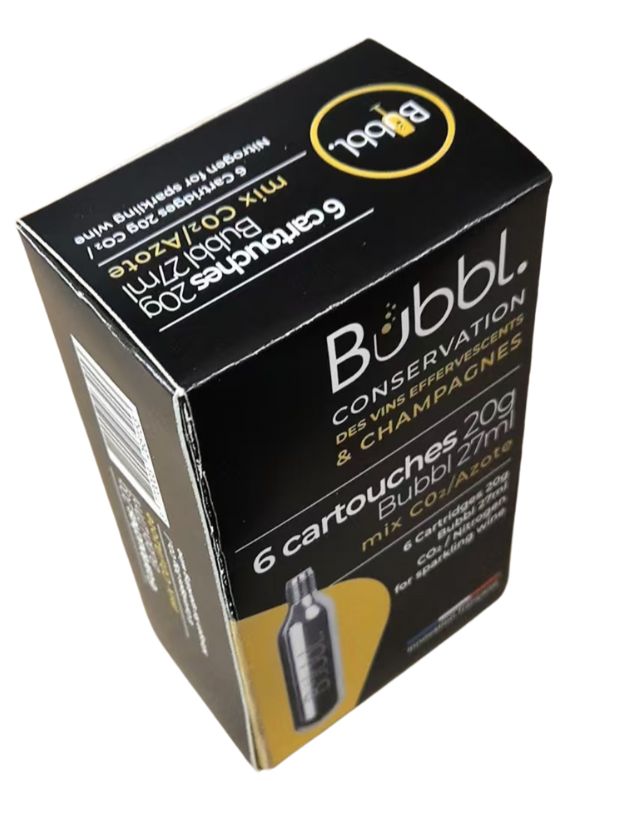
Does sparkling wine preservation work? How long does it last?
When used correctly, this preservation system can maintain a wine’s effervescence for days, and in some cases even weeks. The charger works by injecting CO₂ and nitrogen, recreating the protective gas layer that helps keep bubbles intact while preserving aromas and flavours.
Results do vary, however: fuller bottles of Champagne or other high-pressure styles tend to retain their fizz longer than lighter Prosecco or bottles that are nearly empty. Many users enjoy crisp bubbles for about 7 to 10 days, while laboratory tests indicate preservation can extend up to 4 weeks under ideal conditions: bottles refrigerated at 6 to 8°C and opened as infrequently as possible.
Sparkling wine stopper and CO₂ capsule system: how the preservation works
The system includes two core components: a universal sparkling wine stopper that fits most sparkling wine bottles, and a handheld charger that uses disposable CO₂ capsules. The stopper creates an airtight seal when clipped on, while the charger injects the required amount of gas without over-pressurising the bottle. In practice, each bottle stopper is made from food-grade silicone and stainless steel, designed for durability and repeated use.
The process is straightforward: vent the sparkling stopper when ready to serve, pour the wine, then immediately reseal and repressurise. From there, the same logic applies whether the bottle is used for a casual tasting at home or in a busy bar serving Champagne by the glass. It is therefore well suited to wine by-the-glass programmes that demand consistency and reduced waste.
How long does sparkling wine preservation last? 7-10 days to 4 weeks explained
While some claims refer to up to 4 weeks of preservation, most users find that the most reliable window is around 7 to 10 days of optimal fizz. Several factors influence the result: fill level, storage temperature, wine style, and opening frequency. The difference comes down to consistent refrigeration, because room-temperature storage accelerates CO₂ loss and oxidation regardless of gas injection quality.
An interesting tip: the loss of bubbles usually becomes noticeable before any flavour degradation. Pour a reference glass when the bottle is first opened, then compare it with later servings over the following week. If that lively mouthfeel and fresh taste remain, the preservation system is doing its job.
Sparkling CO₂ preservation technology: gas blend science and pressure control
A portable, easy-to-use preservation system uses specialised Smart Caps and 21 ml cartridges containing a CO₂-N₂ gas blend to seal opened bottles of Champagne and other sparkling wines. By injecting this food-grade gas, the system recreates pressure inside the bottle, protecting bubbles and limiting oxidation for up to a week, with tested results showing maintained aroma and effervescence. The reusable caps and cartridges are compatible with standard 0.75 L and 1.5 L bottles, require no installation, and are designed for hospitality professionals as well as home enthusiasts.
This portable system maintains the wine’s taste and bubbles without electricity: perfect for wine tastings, outdoor events, and catering services. In practice, users benefit from mechanical engineering principles that perform reliably regardless of location.
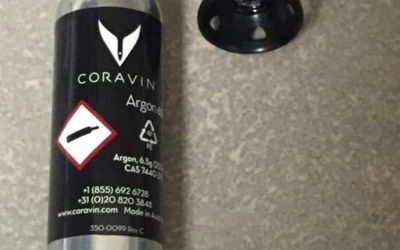
Why sparkling wine needs CO₂ and nitrogen: the 80/20 gas blend explained
Most standard CO₂ systems overlook the risk of oxidation, which is why sparkling CO2 capsules use an 80/20 mix of carbon dioxide and nitrogen. CO₂ keeps the pressure stable and preserves effervescence, while nitrogen creates a protective barrier against oxygen, helping to safeguard delicate flavours and retain the crisp character that makes sparkling wine distinctive. Bubbl® gas capsules, compatible exclusively with the Coravin Sparkling system, contain this precise blend: 80% CO₂ and 20% nitrogen, designed both to support dissolved CO₂ and to create an inert atmosphere that limits oxidation.
- Superior preservation: This dual-gas combination maintains pressure while reducing oxidation, keeping wine fresh for longer than single-gas alternatives.
- Premium quality: Food-grade oenological gas sourced from Linde ensures odourless and tasteless performance, aligned with the standards used in professional wine preservation.
- Excellent value: Each 27 ml food-grade sparkling CO2 capsule preserves approximately seven standard 750 ml bottles, while a 600 ml refill canister can service around 150 bottles.
By replicating bottle pressure and creating an oxygen-free environment, this system allows multiple glasses to be served over several days while keeping the wine fresh and bubbly. The difference comes down to preserving both texture and aromatic definition, not simply retaining fizz.
Sparkling wine pressure control: how Smart Cap maintains optimal conditions
The Smart Cap stopper features a built-in regulator that automatically maintains ideal pressure at 2.5 to 3 bar for most sparkling wines. Once the bottle is closed, a quick five-second gas injection restores pressure: any excess vents safely, eliminating guesswork and helping to prevent dangerous pressure build-up. This automatic regulation is central to keeping sparkling wine fresh while also supporting safe handling.
Since it is fully portable and requires no electricity, hoses, or heavy equipment, professionals can use it almost anywhere: from trade fairs and outdoor events to temporary pop-up venues. The system is entirely mechanical, based on inerting principles and the laws of physics, and therefore requires very little maintenance.
Wine bars and by-the-glass service: sparkling wine preservation workflow
This is the right choice when wine bars want to serve premium Champagne by the glass without unnecessary waste. The workflow limits oxidation and helps preserve carbonation over several days of service. Open the bottle, pour the required glasses, then secure the Smart Cap firmly. Connect the Coravin Sparkling device and hold for five seconds: the gas blend compresses the remaining CO₂ while helping to displace oxygen.
For subsequent pours, detach the device and serve the wine as needed. From there, apply another brief gas injection, then store the bottle upright in a cooler at 6 to 8°C to reduce further CO₂ loss. The unit, finished in wood and stainless steel, includes reusable Smart Caps and refillable canisters that can serve around 150 standard bottles, offering a practical approach to serving Champagne and other sparkling wines by the glass.
| Use case | Typical preservation window | Key best practices |
| Home tasting | Up to 7 days | Chill quickly, store upright, and top up pressure after each pour |
| Wine bar by the glass | About 1 week | Keep bottles at 6 to 8°C, avoid heat exposure, and use larger canisters for higher volumes |
| Multi-day trade fair | Several days | Use a portable system with multiple stoppers and one mobile device for flexible service |
Both laboratory testing and real-world service show that aromas, pressure, and effervescence can remain fresh for about a week, although carbonation is usually the first element to decline. The difference comes down to style: Champagne and Cava generally hold longer than Prosecco, so a tasting check before service remains advisable. Independent French specialists have verified the preservation performance under controlled conditions. For a closer look at how this portable solution protects bubbles and aroma, see the sparkling wine preservation system, which uses food-grade oenological gas to maintain pressure and freshness.
For refills, Wikeeps offers both pure sparkling CO₂ capsules and CO₂/N₂ blends in practical 27 ml food-grade cartridges, alongside larger 600 ml refillable canisters. In practice, this gives establishments a clear path to scaling by-the-glass service according to volume and service rhythm. To explore complete professional solutions for sparkling wine preservation, including refillable canisters and multiple stopper options, Wikeeps provides formats suited to both occasional and high-frequency use.
Is champagne preservation worth it? Cost-benefit for wine bars and home use
Whether a sparkling wine preservation system is worth purchasing depends on consumption habits and service requirements. If bottles of sparkling wine are opened regularly but not finished in one sitting, this type of system can make a meaningful difference. Wine professionals and enthusiasts offering wine by the glass often find that it pays for itself quickly by reducing waste and making premium pours viable without committing to the whole bottle.
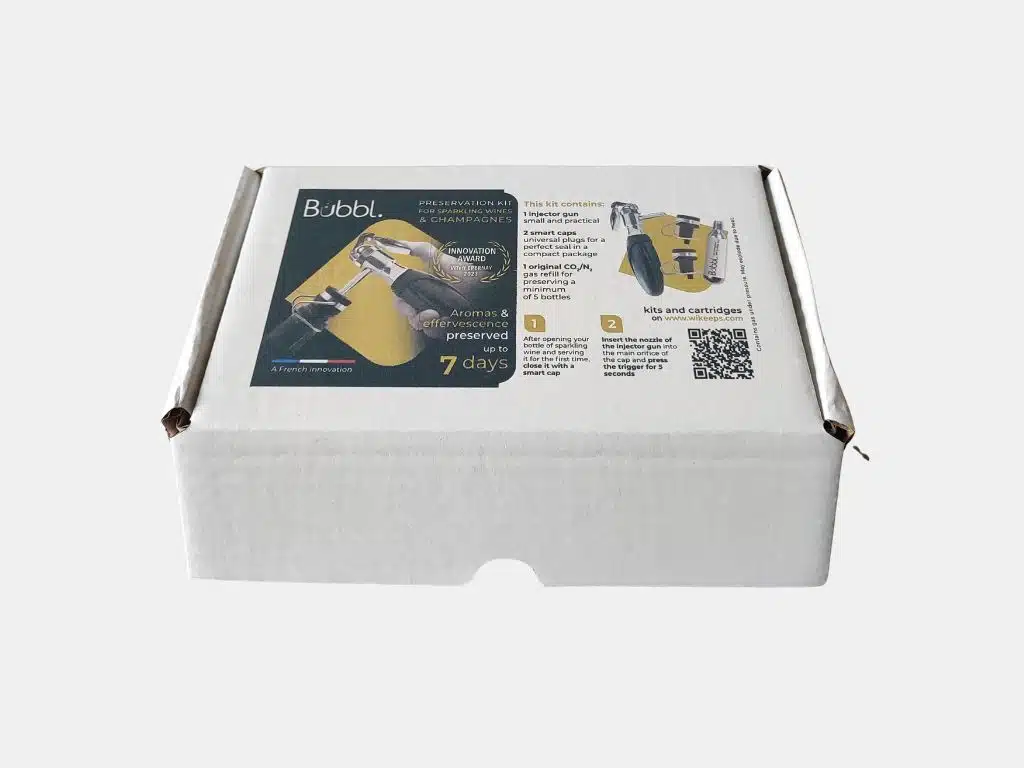
Who needs a sparkling wine preservation system? Best use cases
The Coravin Sparkling system suits those who regularly enjoy Champagne, Prosecco, or other sparkling wines over several days. Many reviews from industry professionals point to its ability to maintain pressure and quality when single glasses are served from the same bottle across different occasions. Conversely, if a bottle is usually finished in one sitting or sparkling wine is opened only occasionally, the initial outlay and ongoing capsule costs may be harder to justify. The difference comes down to frequency of use: once a regular refill routine is in place, the benefits tend to become far clearer.
- Wine bars and restaurants: High-volume establishments with wine-by-the-glass programmes benefit from 600 ml gas canisters, which help reduce per-bottle costs and simplify service.
- Wine tourism and trade fairs: The portable setup supports multi-day events without electricity, making it well suited to roaming tasting formats.
- Home enthusiasts: Frequent hosts or collectors who prefer to enjoy premium sparkling wine over several evenings value the ability to keep bottles fresh without rushing.
- Less suitable for casual drinkers: Those who rarely open sparkling wine may be better served by a mechanical stopper or a smaller bottle format.
When assessing a sparkling wine preservation system, both the upfront investment and the ongoing capsule cost deserve attention. In professional settings, the ability to serve high-margin Champagne by the glass while limiting waste often justifies the purchase. For venues seeking dependable by-the-glass service, Wikeeps offers sparkling wine preservation solutions with refillable canisters and a choice of stopper formats, where preservation meets precision.
Budget alternatives to sparkling wine preservation systems: cheaper options
More affordable alternatives are available for those who want to keep sparkling wines fresh without investing in a full system. A well-made clamp-style stopper can preserve pressure, flavour, and fizz for one to two days, particularly when the bottle is kept chilled.
From there, bottle size becomes an equally practical lever: splits (187 ml), half bottles (375 ml), or even a magnum for larger gatherings can match volume more closely to actual consumption and reduce waste. Transferring leftover wine to a smaller container with minimal air space may also help, although the act of pouring can lead to some loss of carbonation.
- Mechanical pressure stoppers: Affordable clamp designs preserve natural pressure for 24 to 48 hours without any consumables.
- Smaller bottle formats: Buying splits or halves minimises waste by aligning serving size with actual needs.
- Transfer to smaller containers: Moving leftovers to a properly sized vessel can slow oxidation, although it may slightly reduce bubbles.
Each alternative has trade-offs: cheaper stoppers only work in the short term, smaller bottles cost more per serving, and transferring residual wine can lead to some flavour loss. For frequent use, whether at home or in a wine programme, a sparkling wine preservation system offers the most reliable wine preservation with minimal hassle.
Common sparkling wine storage mistakes: how to preserve freshness
Proper temperature control is critical when using a sparkling wine preservation system. Even the best preservation tools cannot compensate for poor handling. Leaving a resealed bottle at room temperature speeds up CO₂ loss and oxidation, regardless of how much gas is injected. As a result, refrigerate immediately once opened.
Opened sparkling wines should be stored vertically in a cooler or ice bucket below 10°C for optimal preservation. In practice, cold storage supports pressure retention and helps maintain freshness from the first pour to the last.
How to use a sparkling wine preservation system: complete guide
Following the right technique ensures well-preserved bubbly and extends the life of an opened bottle. The Coravin Sparkling system uses reusable bottle stoppers and CO₂ capsules compatible with standard sparkling wine bottles, making it suitable for Champagne, Prosecco, Cava, and other styles.
Whether the system is used with pure sparkling CO₂ capsules or oenological blend options, the process remains the same: open, pour, seal tightly with the stopper, recharge with CO₂, and keep chilled until the next serving. The difference comes down to consistency in each step.
Step-by-step guide to preserving sparkling wine: charger and stopper technique
For the best results, always refer to the official how-to-use guide to avoid wasting gas or losing carbonation. Reliable performance depends on two details: positioning the stopper correctly and aligning the sparkling charger properly, where preservation meets precision.
- Pouring your wine: Carefully remove the foil and wire cage, then gently twist the cork out at an angle before pouring each glass smoothly.
- Sealing it tightly: Place the universal sparkling stopper over the bottle neck, press down firmly until it sits flush, then lock the handle to create a secure seal.
- Recharging with sparkling CO₂: Align the charger straight over the stopper, then press and hold for 5 seconds until the indicator turns green: this confirms proper gas injection and an internal pressure of 2.5 to 3 bar.
When serving later pours, briefly release pressure by tilting the bottle slightly or lifting the handle, pour the wine, then promptly reseal and recharge. This routine limits oxygen contact and helps keep each glass crisp and fresh.
Storing opened sparkling wine bottles: temperature and capsule management
Store opened bottles upright in the fridge between 6 and 8°C to maintain stopper effectiveness and reduce CO₂ loss. Avoid direct sunlight, as it can accelerate gas loss and alter flavour. The upright position also supports a better seal and makes serving easier.
This temperature range is central to sparkling wine preservation and helps maintain consistent pressure conditions. Once opened, careful storage remains the right choice when reliability matters over several servings.
- Keep it cool: Maintain a temperature of 6–8°C between servings. Many professional bars use temperature-controlled systems for consistency.
- Smart capsule use: Each food-grade sparkling CO2 capsule (27ml) typically preserves seven standard 750ml bottles before replacement is needed, making preservation cost-effective.
- Handle with care: Capsules are pressurised. Never expose them to heat, attempt to puncture them, or try to refill them outside the proper system.
When a capsule is empty, pull the lever one last time to release any remaining pressure, unscrew the holder, and recycle the metal shell. In practice, following these steps ensures smooth CO₂ flow, consistent pressure, and reliable wine preservation from the first pour to the last.
Where to buy sparkling wine CO₂ capsules and preservation cartridges
Wikeeps offers both pure sparkling CO₂ and CO₂/N₂ blends in convenient, food-safe 27ml capsules and larger refill canisters, all EU-certified. Home users benefit from multi-packs to avoid running out, while high-volume establishments can reduce costs through bulk purchasing options.
The difference comes down to choosing the right format for the setting: compact capsules for occasional service, larger canisters for steady demand. The Coravin Sparkling system has been independently verified by a French laboratory to maintain carbonation and aroma in line with international sparkling wine storage standards, ensuring reliable preservation for professional and home use alike. Learn more about sparkling wine storage standards and best practices.
Frequently Asked Questions
Is the sparkling wine preservation system compatible with Champagne, Prosecco and Cava?
The Coravin Sparkling preservation system is designed for standard bottle sizes, from half bottles to magnums. It is compatible with major sparkling wine styles, including Champagne, Cava, Prosecco, and sparkling rosé.
Once opened, performance varies slightly by wine style. Champagne and Cava generally retain their bubbles longer than lighter Prosecco, typically for 7–10 days under proper preservation conditions. Nearly empty bottles may require slightly more gas to maintain optimal pressure. For best results, begin with a small initial pour and monitor how the bottle evolves over time.
How long does sparkling wine preservation last? Realistic duration versus laboratory claims
When the sparkling wine preservation system is used correctly and the bottle is stored refrigerated, most enthusiasts find that sparkling wine stays fresh and crisp for around 7–10 days. That is the right choice when consistent everyday results matter more than theoretical maximums.
Laboratory testing indicates preservation can theoretically extend up to four weeks. However, actual duration depends on several factors: bottle fill level, storage temperature, wine style, pouring frequency, and the point at which effervescence naturally fades. As a result, visible carbonation loss usually appears before oxidation becomes noticeable, even though oxidation may remain minimal for 4–5 weeks.
What are cheaper alternatives to sparkling wine preservation systems?
For those who enjoy sparkling wine only occasionally, there are more affordable options than a dedicated system such as Coravin. Mechanical bottle stoppers can help retain pressure and freshness for 1 to 2 days without the need for consumables, which makes them the right choice when short-term preservation is enough.
From there, smaller bottle formats can reduce waste before preservation even becomes necessary. Conversely, transferring leftover wine into a suitably sized container limits air exposure and slows oxidation, although these methods do not maintain effervescence as effectively over time.
In practice, these lower-cost alternatives trade long-term performance for simplicity and value. They suit occasional drinkers well, while Wikeeps remains focused on solutions designed for more precise preservation from the first pour to the last.