
Table of Contents
- What can a Champagne stopper really preserve?
- How gas preservation systems maintain sparkling wine
- Which preservation system keeps bubbles longest?
- Frequently asked questions
Choosing between the champagne preservation systems compared here—mechanical stoppers, gas-injection devices and dedicated sparkling wine tools—determines how long an opened bottle remains genuinely enjoyable. This guide sets out realistic bubble-retention times, gas-capacity figures and usage guidance, helping home enthusiasts and hospitality professionals select the right solution from the first pour to the last.
What can a Champagne stopper really preserve?
Once a cork leaves the bottle, dissolved carbon dioxide begins migrating towards the surface. The rate of loss depends on temperature, fill level and how effectively the closure restores internal pressure. The research on CO2 bubble dynamics in sparkling wine explains why closure types produce markedly different results.
Why sparkling wine loses fizz
The closure can only slow this exchange, not stop it: even in a stoppered bottle, the wine continues to lose pressure through the seal and into the headspace with every pour.
- Pressure drop Opening releases the equilibrium pressure that keeps CO2 dissolved. Each subsequent pour widens the gap between the gas held in the wine and what the headspace can sustain.
- Oxygen ingress Even brief exposure allows oxygen to alter esters and aromatic compounds, reducing the fresh character associated with quality sparkling wine.
- Temperature effect Room-temperature storage accelerates CO2 escape. Consistent refrigeration below 10°C is one of the few variables a consumer can control without specialist equipment.
Wine style also matters. Champagne and Cava, with their higher natural pressure, generally retain fizz longer than lighter prosecco under identical conditions. Bottle position is equally important: keeping the bottle upright helps the closure sit correctly against the neck, preserving the seal and limiting leakage around the stopper.
When simple stoppers are enough
Mechanical clamp-style stoppers provide affordable short-term preservation when the bottle is refrigerated promptly at 6–8°C and kept away from sunlight and strong-smelling foods. If the remaining wine will be served the following morning, the best champagne stopper to choose does not necessarily require a gas-injection system; a quality stainless-steel clamp stopper is usually adequate for next-day drinking.
- Realistic window Beyond that point, wines lose their creamy perlage and begin to taste noticeably flat.
- Upright storage Horizontal storage risks seepage along the closure, so upright positioning is the single most important practical step for mechanical stoppers.
- Teaspoon myth Independent testing has confirmed that placing a silver spoon in the bottle neck does not maintain carbonation; it has no measurable effect on fizz retention.
Smaller formats, including splits and half-bottles, offer another option by matching serving size to consumption, although they generally cost more per serving than a standard 75cl bottle. For enthusiasts who rarely finish a bottle, the detailed champagne preservation systems comparison on the Wikeeps website shows when a more capable system becomes worthwhile.
How gas preservation systems maintain sparkling wine
Gas-injection preservation seals an opened bottle and restores pressure after each pour. It compresses dissolved CO₂ back into the wine while replacing the headspace with a protective atmosphere that limits oxidation.
Coravin Sparkling in real-world use
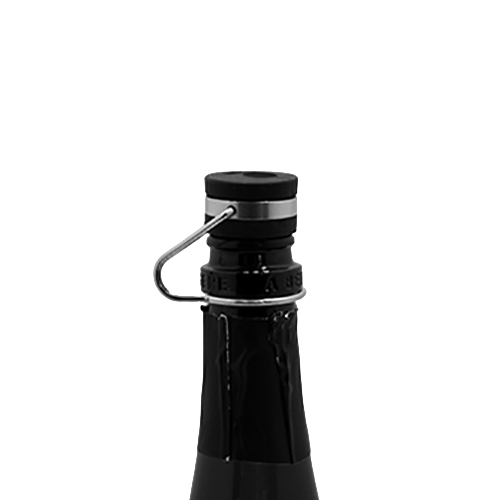
The Coravin Sparkling system, also known as the Coravin sparkling wine device, uses a food-grade blend containing 80% CO₂ and 20% nitrogen. CO₂ maintains pressure and effervescence, while nitrogen creates an inert barrier that slows oxidation between pours. In practice, when the bottle is correctly sealed and refrigerated consistently at 6–8°C, most users report bubble retention for 7 to 10 days. Laboratory conditions can extend this to four weeks, although that represents an ideal result rather than a typical everyday outcome.
The Coravin sparkling system includes a handheld charger, Smart Cap stoppers, and a choice of gas capsules or a larger canister. It is compatible with standard sparkling wine bottles, including Champagne, Cava, Prosecco and Crémant, making it practical for venues that serve several open bottles at once.
Bubbl. pressure control and safety
Wikeeps developed Bubbl. as a wine preservation system centred on oenological precision. The CO₂/N₂ mixture is supplied by Linde Gas and injected for approximately five seconds per bottle: long enough to re-pressurise the headspace and push existing dissolved CO₂ back towards the wine. The Smart Cap’s integrated regulator maintains internal pressure automatically at 2.5–3 bar and safely vents excess pressure, removing the risk of over-pressurisation without manual adjustment.
Independent French laboratory testing verified that Bubbl. maintains carbonation and aroma in line with international sparkling wine storage standards. Under proper refrigeration, this supports a realistic preservation window of 7–10 days. Manufactured in France from wood and stainless steel, the Bubbl. Sentinel requires no installation and won the 2023 VITEFF Innovation Award. Its Smart Cap fits standard 0.75L and 1.5L bottles. Full details of the Wikeeps champagne preservation systems compared range, including cartridge packs, are available on the Wikeeps product pages.
Gas capacity and running costs
Gas consumption per bottle is an important consideration when a venue assesses long-term running costs. Small capsules and refillable canisters produce different costs per preserved bottle, with larger formats generally proving more economical for high-volume establishments. The Bubbl. Prestige Box contains one dispenser gun and two Smart Caps in an upcycled cork box, making it suited to home use and gifting, while the Sentinel is designed for professional environments. Consult the champagne preservation system guide for full Sentinel specifications.
- Coravin 27ml capsule Each capsule preserves approximately seven standard 750ml bottles, making it practical for moderate home or bar use without requiring bulk storage.
- Coravin pure sparkling 600ml canister The refillable 600ml canister services around 150 bottles, substantially reducing per-bottle gas costs for restaurants and wine-tourism venues.
- Bubbl. cartridge per bottle Each Bubbl. cartridge preserves a minimum of five opened 75cl bottles, providing approximately 25 to 30 individual glass servings based on 12cl pours between injections.
- Bubbl. 600ml canister The refillable canister, returned to Wikeeps’ workshop in the Champagne region, further reduces the cost per bottle for high-frequency professional users.
Keeping a reference glass poured at opening and comparing it with later servings offers a simple way to monitor fizz retention and confirm that the system is performing as expected.
Home users who entertain regularly benefit from multi-packs of capsules, avoiding shortages during service. Argon, commonly used in still-wine preservation, is deliberately absent here: CO₂ maintains the fizz in sparkling wine while limiting oxidation, a dual function that argon cannot provide for bubbly wine.
Which preservation system keeps bubbles longest?
Across the available options, the difference in bubble retention between mechanical stoppers and gas-injection systems is substantial. Keeping bubbles lively beyond 48 hours requires active pressure restoration, not simply a seal around the neck.
Side-by-side champagne preservation comparison
A comparison of champagne preservation systems consistently places gas-injection devices in a different category from mechanical stoppers. In blind assessments, wine sealed with a clamp stopper was noticeably flat by day three. Conversely, CO₂/N₂ systems maintained an active mousse through day seven and, under ideal conditions, beyond week two, with no perceptible change in fizz or freshness. Flavour only began to soften by week three.
- Mechanical stopper Effective for 24–48 hours. It is straightforward, inexpensive and requires no consumables: the right choice when the bottle will be finished the following day.
- Bubbl. system Independent laboratory testing confirmed realistic retention of 7–10 days, with pressure retention maintained at 2.5–3 bar by an integrated Smart Cap regulator.
- Coravin Sparkling Delivers 7–10 days in everyday use. Laboratory conditions suggest up to four weeks, although that remains an ideal-case result rather than a consistent real-world expectation.
- Smaller bottle formats Splits and half-bottles remove the need for preservation by matching volume to consumption. Their higher cost per serving, however, makes them less attractive for regular use.
The table below sets out the main criteria: mechanism, realistic retention, consumable format and ideal user profile. No GBP retail prices are included, because current retailer pricing should be checked directly and dated at the point of purchase. Bermar is not assigned performance figures here; the available evidence does not provide verified gas specifications, cartridge capacity or retention data for that brand.
| System | Mechanism | Realistic retention | Ideal-case claim | Consumable | Best for |
| Mechanical stopper | Clamp seal, no gas | 24–48 hours | 48 hours | None | Next-day drinking |
| Bubbl. (Wikeeps) | CO₂/N₂ injection, Smart Cap | 7–10 days | Over 7 days (lab-verified) | Cartridge (min. 5 bottles each) | Home, bars, tastings |
| Coravin Sparkling | CO₂/N₂ blend, handheld charger | 7–10 days | Up to 4 weeks (lab) | 27ml capsule or 600ml canister | Restaurants, high volume |
| Smaller formats | No preservation needed | N/A | N/A | None | Single-serve occasions |
Storage discipline remains critical for every system listed above. A gas-injected bottle kept at room temperature will deteriorate faster than a mechanically sealed bottle held at a stable 6–8°C. The right combination of gas system and consistent refrigeration produces the most reliable results.
Best choice for each drinking habit
The right system is determined by how often sparkling wine is opened and how much is consumed on each occasion. For multi-day preservation, a universal stopper simply lasts too short a time.
- Casual drinker Finishes most bottles in one sitting; a mechanical stopper of good quality is sufficient and avoids the ongoing consumable cost of a gas system.
- Regular home entertainer Opens sparkling wine several times per week; a Bubbl. or Coravin Sparkling system reduces waste and keeps each bottle fresh across multiple evenings.
- Wine bar or restaurant Serves sparkling wine by the glass from several open bottles daily; the Bubbl. Sentinel or a 600ml Coravin canister offers the most economical and reliable high-volume solution.
- Wine-tourism venue or trade fair Requires portability and no installation; the Sentinel’s fully mechanical, cable-free design and French manufacture make it particularly well suited to events and tasting environments.
In practice, the most reliable indicator of suitability is the ratio between bottles opened per week and the typical volume consumed per sitting. When that ratio is high and bottles are rarely finished in one session, investing in CO₂/N₂ preservation technology can pay for itself through reduced waste and consistently fresh wine, glass after glass, from the first pour to the last.
Frequently asked questions
How long do bubbles actually stay lively in an opened bottle of sparkling wine?
The answer depends largely on the closure method. A mechanical stopper keeps a bottle of sparkling wine acceptably fizzy for 24 to 48 hours when refrigerated at 6–8°C and stored upright. A gas-injection system such as Bubbl. or Coravin Sparkling can extend that period to a realistic 7–10 days under the same conditions, with independent laboratory testing supporting the longer figure for both systems.
After 10 days, results become less predictable. The wine style matters: Champagne and Cava generally outlast lighter Prosecco, while consistent refrigeration and a reliable seal remain essential from the first pour to the last.
Is there a meaningful difference between CO₂/N₂ gas systems and a simple clamp stopper for home use?
The difference becomes clear from day three onwards. A clamp stopper slows oxidation briefly, but it cannot restore the internal pressure that keeps CO₂ dissolved in the wine. As a result, most mechanically sealed bottles taste noticeably flat by the third day.
Gas-injection systems re-pressurise the bottle after each pour, compressing dissolved CO₂ back into the wine and replacing the headspace with a protective atmosphere. For a household that opens sparkling wine several times a week, the longer preservation window means less waste and more consistently fresh servings throughout the bottle.
Which Wikeeps system is best suited to a professional sparkling wine service?
The Bubbl. Sentinel is designed specifically for professional environments. It is entirely mechanical, requires no electricity or fixed installation, and is manufactured in France from stainless steel and high-quality wood. The system includes two spray guns: one connected to the 600ml refillable gas canister and one portable; five Smart Caps compatible with standard 0.75L and 1.5L bottles; and a pressure regulator that automatically maintains 2.5–3 bar.
For wine bars, restaurants, wine-tourism venues and trade fairs, the Sentinel’s portability, capacity and laboratory-verified 7–10 day retention window make it a practical choice for by-the-glass service. It preserves the wine’s lively fizz more reliably than a basic stopper, particularly when several bottles must remain fresh and sealed for longer.