
Table of Contents
How much do wine preservation systems cost?
Investment levels vary from affordable €20 vacuum pumps to sophisticated €400 Coravin devices or even couple thousands for wine cabinets—choose based on your drinking patterns. Basic vacuum systems suit occasional drinkers who finish bottles quickly, while premium argon-based solutions excel at long-term wine preservation, safeguarding valuable vintages from oxygen exposure.
Budget-Friendly options under €30
Entry-level options like VacuVin pumps create a vacuum seal through simple hand motions, preserving wine for about five days. These require re-pumping after each use but feature durable rubber stoppers that maintain an airtight seal at minimal cost—a stark contrast to the premium Coravin Timeless price targeting serious collectors.
- Hand-operated vacuum pumps: Devices like VacuVin remove air from the bottle and offer a method to reseal an opened bottle but with very little efficiency.
- Protective gas sprays: Argon-nitrogen blends create a protective layer when used alongside a vacuum system for enhanced preservation.
- Oxygen-absorbing inserts: Repour stoppers eliminate dissolved oxygen, but frequent replacement makes them less economical despite their seven-day effectiveness.
- Smart storage tactics: Simply refrigerating opened bottles and transferring wine to smaller containers can delay oxidation without any specialized equipment.
Pairing a vacuum pump with inert gas creates dual protection, letting most wine lovers preserve wine for a full week while staying comfortably under €30.
Mid-Range professional Argon gas preservation systems
Mid-tier options like Wikeeps utilize food-grade argon to create a protective gas barrier that maintains wine quality for up to a month. Each gas cartridge accommodates about eighteen to 24 servings, making these preservation systems practical for enthusiasts who regularly participate in wine tasting with multiple bottles or for on-trade with a good wine rotation.
Argon’s density forms an effective shield over the wine’s surface, while a small CO₂ component preserves texture without affecting flavor. Innovative options like Pivot caps replace traditional cork closures, maintaining freshness between servings with just a quick press of the trigger before each repour.
Premium Coravin systems and other professional solutions
High-end Coravin models (Timeless and Sparkling) use ultra-thin needles to pierce the cork while infusing 99% pure argon, keeping bottles pristine for several months. These systems are wine agent favorites for their ability to serve by-the-glass portions while preventing waste—a single gas canister preserves around 2 to 3 bottles.
Premium kits include maintenance accessories like cleaning tools, replacement seals, and specialized filters that ensure gas purity. Proper care—including regular spout flushing, seal inspections, and O-ring replacements—prevents potential oxygen intrusion that could damage precious vintages.
| System Type | Price Range | Preservation Duration | Best For |
| Vacuum Pump | €15-30 | 3-5 days | Casual drinkers |
| Argon Gas spray | €60-90 | 1-4 weeks | Serious enthusiasts |
| Wikeeps Argon CO2 gas | €150 | Up to 4 weeks | Frequent openers |
| Coravin Timeless | €200-400 | Months | Collectors |
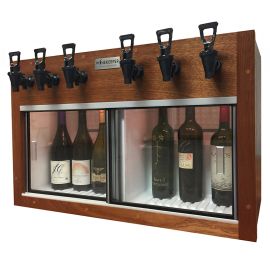
| Wine cabinets | €2000+ | Up to 4 weeks | Wine bars |
Which wine preservation tools work best
The effectiveness of any wine preservation method depends on how well it limits oxygen exposure to maintain freshness. Our tests reveal that vacuum systems and electric wine vacuum pumps offer protection for 2-3 days, while inert gas solutions like argon can preserve wine for weeks. Needle-access devices provide the longest preservation when bottles are stored properly.
Vacuum pump systems: Vacu Vin and electric models
Electric vacuum pumps like Mumba quickly remove air with a simple push, but the seal weakens after each use. For red wine, this typically means freshness lasts just 2-4 days. Discover the best wine keeper system that matches both your drinking habits and the value of your bottles.
- Manual Vacu Vin pumps: You’ll need 8-10 pumps to create initial vacuum pressure, but must reseal and pump again after every glass – which becomes tiresome for longer wine tastings.
- Electric convenience: Devices like Mumba automate the process and handle multiple bottles, though they may slightly impact delicate aromas, making them less suitable for premium wines.
- Hybrid approach: Using argon gas after vacuum pumping can extend protection to about a week, though it still doesn’t match dedicated inert gas preservation systems.
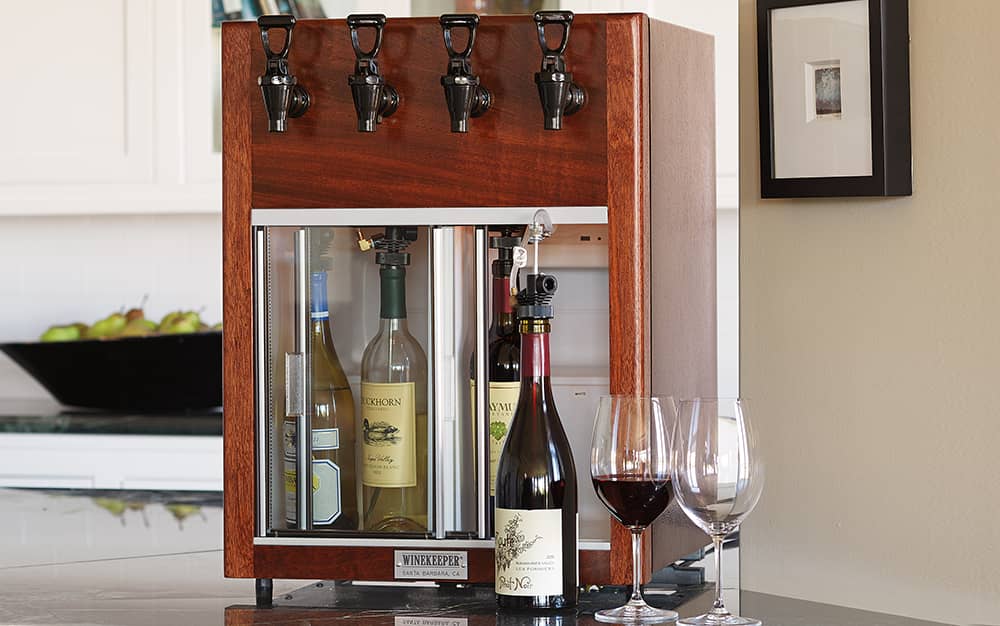
Countertop units such as the EuroCave Wine Bar combine vacuum sealing with temperature control, offering up to 10 days of wine preservation. While these systems require electricity and space, they bridge the gap between basic Vacu Vin pumps and professional argon systems in both price and performance.
Argon gas preservation: Wikeeps and Coravin technology
Argon gas creates an invisible protective layer that outperforms vacuum pumps by completely displacing oxygen without affecting flavor. Wikeeps special gas mix 79% argon/21% CO₂ preserves taste and texture better than pure nitrogen, keeping red wine fresh for weeks while preventing chemical changes.
- Wikeeps cartridges: A single 21ml canister provides about 18 servings, making it easy to maintain several wine preservation systems with one gas supply.
- Coravin precision: This innovative system uses a thin needle to access wine through the natural cork without removing it. After pouring, argon replaces the wine, and the cork reseals itself – allowing bottles to age untouched for months.
- Easy-to-use caps: Screw-on argon caps function like regular stoppers with no additional steps, protecting wine for up to 4 weeks when stored horizontally at proper temperature.
- Optimized gas blend: The inclusion of CO₂ helps maintain the wine’s texture while argon provides superior long-term protection compared to lighter gases.
Gas cartridges are readily available online and in stores, making restocking simple for homes or restaurants. At approximately 20 cents per glass, this wine preservation method proves far more economical than replacing spoiled bottles.
Oxygen-absorbing stoppers: Repour performance review
Repour stoppers effectively trap oxygen inside the bottle for about a week before the absorbing material becomes depleted. While convenient and pump-free, the single-use design makes them more expensive per bottle compared to reusable argon preservation systems.
Our testing shows Repour works particularly well with fruity whites and young reds that only require short-term protection. For structured wines needing extended aging, argon-based preservation tools like Coravin or Wikeeps deliver better results.
How to keep wine fresh after opening
To maintain your wine’s freshness after opening, start by considering how quickly you drink a bottle and the types you prefer. The right vacuum system or inert gas method preserves wine quality, reduces waste, and ensures every cork-sealed bottle tastes just as vibrant as its first pour. Argon-based preservation, like the system outlined in this helpful guide Discover the ultimate argon wine preservation solution, creates an oxygen-blocking shield without altering the wine’s original flavor profile.
Choosing the right preservation system for your needs
If you finish a bottle within a week, a simple Vacu Vin pump will suffice—it removes oxygen and keeps wine fresh for 3–5 days at an affordable price. For frequent gatherings or wine tasting sessions, an argon gas spray or oxygen-absorbing stoppers can extend shelf life for several days. Serious enthusiasts often rely on the Coravin Model Two, which uses a needle to inject argon without removing the cork, preserving wine for months while keeping it fresh.
- Weekly drinkers: A manual vacuum pump like VacuVin works well for households emptying bottles within days.
- Multiple bottles for tasting: Pivot caps help keep several wines fresh for about a month.
- High-end collectors: Coravin leverages inert gas to preserve vintages without compromising the cork.
- Commercial use: Restaurants combine Pivot caps for everyday pours and Coravin for premium labels.
Different wines require tailored approaches—some reds may soften with slight oxidation, while delicate whites and structured reds need the protection of argon. Always consider a wine’s style, value, and serving timeframe when selecting preservation tools.
Best Practices for Storing Opened Wine Bottles
To maximize freshness, store opened bottles upright—this keeps the gas layer above the liquid, minimizing oxygen exposure. After each pour, reseal immediately and store in a cool, dark place (15-18°C for reds, 8-12°C for whites). Avoid temperature fluctuations and sunlight, which accelerate spoilage even with preservation tools in use.
If using a pump, transfer leftover wine (less than half a bottle) to a smaller container to reduce air contact. Argon systems, however, already guard against oxidation, making additional transfers unnecessary.
Sparkling Wine Preservation: Specialized Solutions
Standard vacuum pumps strip away CO₂, leaving Champagne flat—so opt for a pressure-locking champagne saver or a CO₂/nitrogen cartridge instead. These methods preserve bubbles for up to a week when paired with a champagne cooler sleeve.
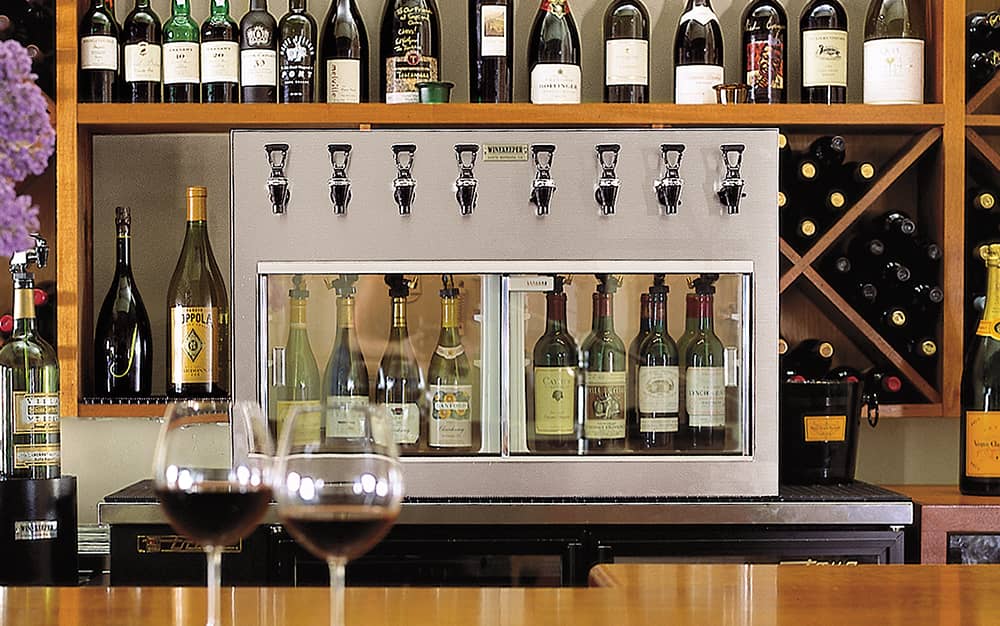
Bars and restaurants rely on professional dispensers combining cooling with inert gas injection to maintain effervescence for weeks. These systems are ideal for venues serving premium Champagne by the glass, ensuring each pour stays fresh and bubbly.
Frequently Asked Questions
How long will a preservation system keep the wine fresh?
The duration your wine stays fresh depends on which wine preserver system you use. A simple vacuum pump maintains quality for 3-5 days, while inert gas sprays (typically containing argon) can keep wine drinkable for about a week. For longer preservation, argon caps work for nearly a month, and advanced systems like Coravin—which accesses wine without removing the cork—can keep bottles tasting fresh for several months by drastically reducing oxygen exposure.
Even with these tools, proper wine storage matters. Maintain steady temperatures (10-15°C), reseal bottles immediately after pouring, and store them upright. Younger, fruitier wines handle slight oxidation better than delicate varieties, but all benefit from a combination of a solid seal, cool storage in a wine cooler, and quality preservation tools to minimize contact with air.
Do wine savers actually work?
Yes, wine savers are effective when used correctly. A vacuum system quickly removes most air from the bottle, while argon-based preservers form a protective gas layer that prevents oxygen damage for weeks—often outperforming pumps because they create a physical barrier rather than just reducing air volume.
For optimal results, combine your wine preserver with proper storage: keep bottles upright in a cool, dark place. When you preserve wine this way, flavors and aromas stay vibrant, allowing you to enjoy the same bottle over multiple occasions without noticeable quality loss.
What is the best storage for wine?
The best setup combines stable 10-15°C temperatures, darkness, and upright bottle positioning to limit oxygen contact. A dedicated wine cooler offers ideal conditions, though a standard fridge works temporarily if you pair it with a reliable wine preservation method after opening.
Choose your preservation tools based on how long you need to store the wine: use a vacuum pump for short-term (a few days), argon or similar inert gas systems for up to a week, and Coravin for premium bottles meant to age. Always reseal promptly, ensure a tight seal, and your wine preserver systems will maintain flavor and aroma until your next pour.