
Table of Contents
- Vacuum, gas or Coravin: how a wine preservation system works
- Vacu Vin wine saver or sparkling wine preservation system
- Wine saver, vacuum pump or Coravin: which wine preservation system to choose
- Frequently Asked Questions
Nothing disappoints wine enthusiasts quite like opening a special bottle only to have its flavours fade within days. Fortunately, today’s wine preservation systems, including vacuum pumps, argon gas solutions and sparkling wine stoppers, can keep your wine fresh for weeks rather than just hours. This guide examines Coravin, Vacu Vin, gas-based systems and other wine savers to help you choose the right preservation method for your drinking habits, budget and wine collection.
Vacuum, gas or Coravin: how a wine preservation system works
When an opened bottle is exposed to oxygen, delicate aromas and flavours disappear quickly, and oxidation soon flattens the wine’s taste. Preservation systems either remove or displace air, delaying spoilage and extending enjoyment from a single evening to several weeks. Once you understand how vacuum pumps, inert-gas preservation and needle-access methods work, you can select the best wine preservation system for your routine and the value of your bottles.
Best wine preservation for still wines
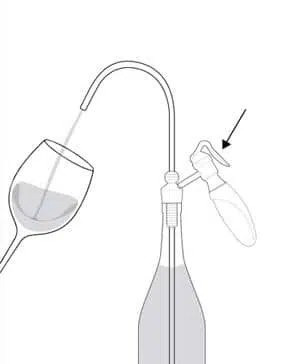
Inert-gas systems form a protective barrier that prevents oxygen contact far longer than basic vacuum pumps. Inerting wine means replacing oxygen with an inert gas such as argon, nitrogen or carbon dioxide, a practice the OIV codifies as protection under an inert atmosphere. Wikeeps’ solution uses a precise 79% argon and 21% CO₂ blend to preserve red wine, white wine and rosé for over a month without altering flavour. The CO₂ also helps stop the wine from drying out.
A single cartridge protects up to 18 glasses, which makes gas preservation cost-effective for restaurants or collectors who return to opened bottles over time. The still wine pouring and preservation kit pours wine vertically without handling the bottle, and it filters, aerates and preserves in one step.
- Argon displacement: because argon is heavier than air, it creates a stable protective layer over the wine, blocking oxygen more effectively than nitrogen or vacuum pumps.
- Controlled pouring: the angled stainless steel spout ensures a smooth flow while maintaining the gas blanket. Holding the glass against the spout, or at most 10 cm below it, helps avoid splashing; a longer stream can cause slight foaming.
- Built-in filtration: a fine mesh filter catches sediment from aged wines, while a cap on the end of the spout prevents drips and protects the wine left inside it from oxidation. Put the cap back at the end of each day of service.
- Temperature control: store opened bottles upright and cool, ideally in the fridge, then serve at 15-18°C for reds and 8-12°C for whites and rosés to slow oxidation and keep the gases properly distributed.
Needle-based systems like Coravin Timeless insert a thin needle through the cork, dispensing wine while replacing it with argon gas. Without removing the cork, you pour a glass, and the cork reseals afterwards so the rest of the bottle of wine stays protected. In practice, this lets you preserve wine for weeks, months or even years under proper storage conditions. Optional aerators can open up tight young wines as you pour, without exposing the whole bottle.
Vacuum wine pumps, such as Vacu Vin models, remove air from opened bottles to slow oxidation. They are affordable and useful for casual drinkers, but they typically extend freshness for only 3-7 days, and they become less effective the more often the bottle is reopened. Unlike gas methods, vacuum pumps cannot preserve the bubbles in sparkling wines.
How long can a bottle stay fresh after opening?
Preservation time varies significantly by method: recorking with a simple stopper works for 1-3 days, vacuum pumps extend this to 3-7 days, inert-gas stoppers protect for up to 4 weeks, and needle-access systems like Coravin can preserve wine for months with proper technique. Independent tests confirm that Wikeeps’ argon-CO₂ blend keeps opened still wines fresh for over 30 days while allowing clean, vertical pouring.
No system can reverse earlier heat damage or oxidation, and inerting cannot bring back aromas already lost. Successful preservation therefore depends on the right gas mixture, cleanliness (rinse between different wines, and clean the spout after each finished bottle or change of colour), proper storage temperatures and resealing immediately after each pour to retain the protective gas layer.
Choosing a wine preserver and seal
When selecting a system, consider ongoing costs: argon cartridges, replacement needles and special stoppers add up over time. Wikeeps’ cartridges are Coravin-compatible, food-safe and EU-certified, while its oenological gas cartridges are made in the European Union and supplied by Linde Gas, so quality is assured without affecting taste. Wikeeps’ range of inert gas capsules for wine pairs each blend with the right type of wine, still or sparkling.
Also check that the system suits your bottle closures. A natural cork, a synthetic stopper, a screw cap or a sparkling wine bottle may each require a specific adapter. Some gas systems allow horizontal storage, while vacuum sealers typically need bottles kept upright. Wikeeps’ three-step process (insert cartridge, attach dispenser, press trigger) offers professional-grade preservation at home, and optional chillers combine temperature control with Wikeeps heads for perfect sparkling wine service.
Vacu Vin wine saver or sparkling wine preservation system
Unlike still wines, sparkling styles like Champagne or Prosecco lose their signature bubbles quickly once opened. As soon as the pressure in the bottle drops, dissolved CO₂ escapes, leaving your wine flat within hours if you use a standard stopper or a vacuum pump. Specialised wine preservation solutions for sparkling wines either inject CO₂ or use clamp-style seals to maintain pressure, keeping those premium bubbles fresh when you serve wine by the glass at home or in restaurants.

Do these systems keep sparkling wine fresh?
Standard Vacu Vin wine saver systems that use a vacuum pump remove air and some CO₂, which strips away bubbles and leaves sparkling wine flat and dull within a day. For this reason, a vacuum-based system should never be used on Champagne, Cava or any other sparkling wine you want to keep fresh.
Dedicated champagne preservation tools use pressure-resistant stoppers and CO₂ to restore and maintain the pressure inside the bottle. The Wikeeps Bubbl system uses a blend of 80% CO₂ and 20% nitrogen to protect against oxygen and oxidation, keeping the quality and aromas of sparkling wine for up to five days. Independent laboratory tests have also shown that Bubbl preserved Champagne bubbles and aromas for more than a week. The Wikeeps opened champagne preservation kit includes a dispenser gun, two Smart Caps for two opened bottles and a 21 ml starter capsule.
- CO₂ and nitrogen blend: this carefully balanced gas mix blocks oxygen, slows oxidation and maintains the wine’s bubbles, while the airtight Smart Cap’s pressure regulator releases any excess gas.
- Quick installation: snap the reusable stopper in place, inject the gas and seal. No threading or tools are needed, which suits fast-paced environments.
- Aroma and mouthfeel retention: by preserving pressure, the system keeps the wine’s acidity, fine bubbles and fruity notes intact between pours.
Coravin Sparkling can preserve sparkling wine for up to four weeks in the fridge, whatever position the bottle is stored in. Their pressure-regulating technology is also used in larger-scale by-the-glass systems found in restaurants and bars. Many high-end units also feature dual-use stoppers, so staff can switch between still and sparkling wines without extra equipment or training.
For commercial use, refrigerated dispensers holding multiple bottles offer an even more robust solution. They fill the headspace of each bottle with an inert gas, deliver precise pours and keep wine fresh for up to three weeks. They are expensive, but they suit high-volume venues offering a wide wine by-the-glass selection, while meeting strict safety standards and limiting environmental waste.
Best wine saver for bubbles
For sparkling wine, pressure-based systems or CO₂ injection are essential: simple vacuum pumps or pure argon preservation won’t keep the fizz alive long enough. Wikeeps’ Bubbl dispenser uses pre-measured 27 ml or 21 ml capsules; the 21 ml capsules contain CO₂-nitrogen oenological gas developed with Linde, so delicate Champagne, Cava, Prosecco or Franciacorta keeps its character without off-flavours. One 21 ml capsule preserves at least five 75 cl bottles, and a nearly empty bottle simply needs a little more gas. Once sealed, keep the bottle upright below 10°C, in a cool box or ice bucket.
Proper maintenance is key for wine preservation systems: clean stoppers after each use (Smart Caps are made of food-grade silicone and stainless steel), replace worn O-rings on schedule and keep spare cartridges handy to avoid interruptions to service. Wikeeps’ professional-grade tools support both still and sparkling wines, so staff can serve either style while every glass of wine is served at its best.
Wine saver, vacuum pump or Coravin: which wine preservation system to choose
Choosing the right wine preservation method depends on how quickly you drink, the value of your collection, and whether you prioritise convenience or keeping your wine fresh for longer. For casual drinkers who finish an opened bottle within a week, an affordable vacuum pump works well. Wine collectors and professionals, by contrast, often prefer gas preservation systems to protect rare bottles and support profitable wine by-the-glass service. Weigh price, maintenance costs and preservation time to pick the best option for your needs.
Which wine preservation method is best?
Each method keeps wine fresh for a different length of time, so the right choice depends on keeping wine fresh for as long as you need. A vacuum wine preserver (like Vacu Vin) keeps wine drinkable for 3-7 days at a low cost. Inert gas systems (using argon or nitrogen) extend freshness to about a month, while high-end devices (like Coravin) can preserve wine for months despite the higher price. Wikeeps’ high-quality gas cartridges help keep wine’s flavour for 20-30 days.
- Vacuum systems: a manual pump removes air before sealing the bottle with a rubber seal. Affordable, but best for short-term use.
- Inert-gas sprays: after opening, spray gas to displace oxygen, then reseal and store upright. Inert-gas systems can keep still wine fresh for up to about four weeks.
- Needle-piercing tools: devices inject argon through the cork, allowing pours without fully uncorking. Ideal for expensive wines, lasting months.
Always factor in ongoing costs, such as replacement gas cartridges or stoppers, when comparing wine accessories. Stainless steel spouts reduce the risk of contamination compared with preservation discs that sit in the wine. Built-in aeration also helps wine stay fresh during busy service.
| Method | Typical Freshness | Upfront Cost | Consumables | Best For |
| Vacuum Pump | 3–7 Days | Low | Replacement Stoppers | Casual Home Use |
| Inert-Gas Blanket | Up to 4 Weeks | Medium | Gas Canisters | Moderate Drinkers |
| Needle Piercing | Weeks to Months | High | Argon Capsules | Collectors, Fine Wines |
| CO₂ Sparkling Systems | Up to 1 Week | Medium–High | CO₂/N₂ Cartridges | Champagne & Bubbly |
How to keep wine fresh for longer
For the best results with a wine preserver, always store opened bottles upright in the fridge to slow oxidation, and avoid shaking them so the gas layer stays intact. If little wine remains, transfer it to a smaller container, as too much air ruins preservation. Forget gimmicks like spoons in sparkling wine and rely on proven wine preservation methods instead.
Wikeeps’ Essential Kit uses argon and CO₂ to form a protective barrier, keeping wine fresh for over a month. It includes a central Elite dome, a dispenser gun, a drip-free stainless steel spout, a filter and three preservation caps. Cartridges are sold separately. It suits restaurants or wine lovers who serve by the glass, and the gun can be mounted on a serving unit to offer more wines by the glass. It does not replace decanting, although you can draw off the amount to decant gradually without removing the system from a freshly opened bottle.
Frequently Asked Questions
How long does a Coravin-compatible argon capsule last?
Wikeeps’ still-wine cartridges contain a 79% argon and 21% CO₂ blend. With Wikeeps’ still-wine preservation system, opened wine can keep its flavour for 20-30 days when the bottle is resealed straight after each pour and stored upright somewhere cool.
Which stopper keeps champagne fresh after opening?
Choose a pressure-resistant stopper combined with CO₂ injection. The Bubbl Smart Cap uses an 80% CO₂ and 20% nitrogen blend and has an airtight pressure regulator. It keeps the quality and aromas of Champagne, Cava or Prosecco for up to five days when the bottle is kept upright below 10°C.
Can a vacuum pump preserve sparkling wine?
No. A vacuum pump draws out the dissolved CO₂ along with the air, so the wine loses its bubbles. Vacuum pumps suit still wines finished within 3-7 days. For sparkling wine, a system that maintains pressure through CO₂ injection is the right choice.