
Table of Contents
- Understanding wine preservation challenges and oxidation risks
- How vacuum wine saver systems and stoppers work for home use
- Advanced inert gas preservation systems for longer wine storage
- Sparkling wine preservation solutions and champagne stoppers
- Basic stopper options for budget-conscious wine drinkers
- Choosing the right bottle stopper for your needs
- Best practices for preserving opened wine bottles and storing with stoppers
- Sustainability and value considerations for wine preservation
- Frequently asked questions about wine preservation
Wine enthusiasts often face a common but frustrating challenge : how to keep an opened bottle tasting fresh for days after the first pour. Whether savouring a special vintage gradually or hosting a dinner party with multiple wines open, selecting the proper wine stopper makes a measurable difference. Modern wine preservation solutions range from affordable vacuum pumps to innovative inert gas systems, all designed to maintain your wine’s quality substantially better than simply recorking the bottle.
Understanding wine preservation challenges and oxidation risks
The moment you uncork a wine bottle, oxygen starts altering its flavours and aromas. Simply replacing the original cork offers minimal protection since air trapped inside continues reacting with the wine. Different wines present distinct preservation challenges: the right approach depends on what you’re protecting.
Sparkling wines are particularly delicate, losing their bubbles rapidly without a specialized pressure-preserving stopper. Most white and rosé wines stay fresh for 3-5 days when properly preserved, while hearty reds can last up to 7 days under optimal conditions. Quality preservation tools help maintain each wine’s distinct characteristics and prevent oxidation from spoiling your bottle.
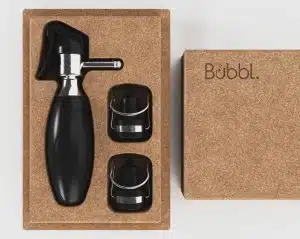
How vacuum wine saver systems and stoppers work for home use
For most home wine drinkers, vacuum preservation systems offer the best balance of effectiveness and value. These practical devices feature either manual pumps or self-contained mechanisms paired with airtight rubber stoppers designed to extend your wine’s drinkable lifespan significantly.
How vacuum pump systems preserve opened wine bottles
These clever devices create a partial vacuum in your opened bottle, dramatically slowing oxidation and air exposure. Good systems form such tight seals that you can safely store bottles on their sides without leaks : a practical benefit for fridges with limited upright space.
- Classic Hand-Pump Kits: Budget-friendly sets (typically £10–£20) include a pump and multiple reusable stoppers : perfect for regular wine enjoyment and versatile with any bottle style.
- Push-Button Stoppers: Convenient one-piece designs that generate vacuum pressure without needing a separate pump, ideal for quick preservation between pours.
- Lever-Arm Systems: Ideal for multiple bottle households, these combine clamping and pumping in one smooth motion, reducing hand fatigue during repeated sealing.
Most vacuum stoppers provide clear indicators : either a clicking sound or resistance change : to confirm proper sealing. When used correctly, they can keep wine fresh for 3-7 days, making them excellent for gradual enjoyment and preventing waste. The difference comes down to consistent technique and proper fridge storage.
Maintenance and care for reusable vacuum stoppers
Vacuum stoppers are refreshingly low-maintenance, though simple care extends their lifespan considerably. Hand wash seals or use your dishwasher’s top rack, and replace worn O-rings periodically to maintain optimal performance. For best results, store your preserved wine bottle upright in the refrigerator below 10°C (50°F) and always check the seal before pumping air out.
Advanced inert gas preservation systems for longer wine storage
For wine enthusiasts seeking professional-level preservation, inert gas systems offer unmatched performance and extended protection. These innovative preservation tools use food-safe gases to create a protective barrier that stops oxidation while keeping the wine’s true flavours intact: from the first pour to the last.
A complete pour-and-preserve system utilizes a carefully balanced mix of argon and CO₂ to form an invisible shield against oxidation: protecting your wine’s aroma for up to 30 days. The argon gas cartridges are designed for wine preservation systems, using a food-grade gas mixture of 79% argon and 21% CO₂ to protect opened wine from oxidation, preserving its qualities for extended periods. Each kit includes:
- A precision dispensing gun for controlled gas injection
- A filtered gooseneck spout for smooth pouring without sediment
- A dual-purpose cap that serves as both preservative seal and anti-drip stopper
European-made gas cartridges provide multiple uses per kit, offering cost-effectiveness for frequent wine drinkers as each cartridge preserves approximately 18 glasses across three standard 75cl bottles. The system’s design accommodates both quick aeration and traditional decanting methods. Easy maintenance ensures consistent performance and hygiene. Consider the argon gas cartridges solution for your preservation needs.
How argon gas cartridges preserve wine quality better than vacuum systems
In practice, inert gas systems outperform basic vacuum methods through several key advantages:
- Extended Preservation Duration: Scientific testing proves wines under gas protection maintain their quality for 20+ days compared to the 3-7 day performance of vacuum systems: a dramatic difference for collectors and restaurants.
- Effortless Service: The pressurized system enables serving without lifting bottles, while built-in filters catch sediment and cork particles automatically, maintaining clarity and presentation.
- Universal Compatibility: Works perfectly with all types of still wines: whites, reds, and rosés: and even protects decanted wines between servings through an invisible gas blanket.
The system employs a premium argon and CO₂ blend from leading gas producers like Linde. After each pour, this invisible blanket covers the wine’s surface, preventing oxidation without altering its character or taste. With each cartridge preserving multiple bottles cost-effectively, it becomes an economical solution for frequent wine drinkers who want to enjoy premium bottles over weeks rather than days.
Sparkling wine preservation solutions and champagne stoppers
Preserving the fizz and freshness of champagne and sparkling wines requires specially designed stoppers and systems. Ordinary vacuum sealers or simple tapered rubber stoppers don’t work effectively for sparkling wine – they cannot maintain the necessary pressure to protect those precious bubbles and carbonation.
Pressure-locking stoppers for sparkling wine preservation
Basic sparkling wine stopper models use clamp mechanisms or spring-loaded arms that attach to the bottle’s neck, with a rubber seal covering the opening to trap carbonation effectively. Higher-end stainless steel versions with silicone gaskets can preserve bubbles for 1-4 days, making them essential for keeping opened champagne bottles fresh and maintaining that signature sparkle.
For superior results, an advanced portable smart cap wine stopper with integrated gas injection lets you enjoy champagne by the glass while maintaining sparkle and aroma for up to 7+ days. Discover the smart wine preservation system – this innovative solution seals standard 750ml and 1.5L bottles using food-grade silicone and stainless steel, injects a protective gas mix to maintain pressure and prevent oxidation, and includes safety features to release excess gas automatically. Easy to maintain and reuse, this system works with all types of champagne and sparkling wines including Cava and Prosecco, reduces waste, and extends shelf life significantly.
Smart cap technology for sparkling wines
The latest sparkling wine stopper systems pair precision pressure management with specialized gas injection for maximum effectiveness. Each advanced stopper using this technology incorporates specialized gas capsules (approximately 80% CO₂ and 20% nitrogen) to recreate the perfect environment that protects both bubbles and flavour profiles during storage.
Using this champagne stopper technology is straightforward: after pouring, reseal the bottle and press the gas injector for about five seconds. The system automatically vents any excess pressure to prevent over-carbonation. When used properly, this smart wine preservation method preserves the wine’s characteristics for several days and guards against oxidation for over a month: substantially longer than traditional methods.
Basic stopper options for budget-conscious wine drinkers
For those who enjoy wine occasionally or want an affordable entry-level solution, simple tapered silicone or rubber stoppers offer an inexpensive way to seal bottles effectively and prevent immediate spoilage.
Simple sealing solutions for everyday wine protection
Basic cone-shaped or grooved plugs fit snugly into standard 750ml wine bottle openings, creating an airtight seal that prevents spills and slows oxidation noticeably. While these budget-friendly options don’t remove oxygen like pump systems, they reliably preserve wine for 24-48 hours: perfect when you plan to finish the bottle within a day or two.
- Silicone Plugs: Durable and dishwasher-safe, with multiple grooves that adapt to different bottle neck sizes without requiring adjustment.
- Composite Cork Stoppers: Provide a natural look similar to original corks but seal much more effectively than reinserted original corks.
- Multi-Pack Options: Ideal for entertaining or regular use, offering excellent value when purchased in bulk sets of 6 or more.
Choosing the right bottle stopper for your needs
Selecting the best wine bottle stopper depends on your drinking habits, budget, and how long you need to preserve your wine before enjoying it. Consider these key factors when making your decision:
Frequency and volume of wine consumption
Frequent entertainers might prefer multi-piece wine saver kits with various stopper styles and storage accessories. Casual drinkers often find vacuum pump systems offer the best price-to-performance ratio, requiring minimal maintenance and working reliably for years. Serious collectors typically invest in advanced inert-gas systems for their premium bottles, particularly when preservation durations of 20+ days matter.
Wine style preferences and preservation requirements
Different wines require specific preservation approaches and systems. Choose a stopper system that matches your typical selections:
- Still Wines: Vacuum pumps work well for everyday wines kept 3-7 days, while inert-gas systems better protect high-end bottles for extended periods of 20+ days.
- Sparkling Wines: Specialized pressure-locking stoppers are essential, with some models offering near-professional preservation capabilities for 7+ days.
- Mixed Collections: Combination kits that handle both still and sparkling wine provide versatile protection across your cellar.
Material and build quality considerations
Always ensure the parts contacting your wine use food-grade silicone or rubber that won’t affect taste or odour absorption. The exterior may range from basic plastic to premium stainless steel, with some decorative options featuring glass, crystal or wood elements that complement your table presentation.
Look for leak-proof performance confirmed by consistently positive reviews (4+ stars), and verify availability of replacement parts. Heavier metal stoppers offer durability and upscale appeal, while many models support personalization through laser engraving for gifts or special collections.
Best practices for preserving opened wine bottles and storing with stoppers
Proper storage techniques maximize the effectiveness of your wine stopper system significantly. These straightforward steps will help maintain your wine’s quality, regardless of which preservation method you select:
Temperature and environment management
Store all opened bottles, including red wines, in the refrigerator to slow oxidation materially. Keep bottles upright to minimize contact between the wine and trapped air, and remember to mark the opening date on the label for reference. Storing wine below 10°C (50°F) can significantly extend its drinkable lifespan compared to room temperature storage.
Maintenance and monitoring of sealed bottles
Check your wine bottle stopper’s seal by gently tilting the bottle to ensure no leaks occur. When removing the stopper, do so carefully and always taste the wine before serving to assess its condition. If your stopper begins to leak, transfer the remaining wine to a smaller bottle to reduce air exposure and preserve freshness.
Clean reusable components regularly according to manufacturer instructions and replace worn seals and gaskets promptly to maintain optimal performance. Store your preservation equipment properly when not in use to ensure longevity and consistent results across multiple bottles.
Sustainability and value considerations for wine preservation
Quality reusable bottle stoppers offer both environmental and economic benefits over disposable alternatives substantially. Premium materials like stainless steel and food-grade silicone resist wear and can last for years with proper care, reducing replacement frequency and waste.
Long-term value and cost recovery
While advanced inert gas systems require an initial investment, they dramatically reduce wasted wine and spoilage over time. For households that frequently open bottles but don’t finish them immediately, the savings from prevented waste quickly justify the cost of the system. The Prestige Box wine preservation system represents a comprehensive investment option, designed for still wines with a dispenser gun, Elite domes, pouring spouts, and gas cartridges using a neutral Argon/CO₂ blend to protect opened bottles from oxidation for up to 30 days.
For most consumers, basic vacuum seal systems provide excellent value, often paying for themselves within months through reduced wine waste and spoilage. Affordable replacement parts extend the system’s lifespan considerably, making these practical, sustainable choices for regular wine drinkers.
Environmental impact of wine preservation systems
Using reusable wine bottle preservation systems helps minimize single-use waste and prevents good wine from being poured down the drain unnecessarily. Look for brands that use BPA-free materials and eco-conscious packaging throughout their product range. Well-made, durable systems support sustainable wine enjoyment while reducing your environmental footprint and contributing to waste reduction.
Selecting the right preservation method lets wine enthusiasts enjoy their favourite bottles longer while reducing waste and maximizing value. Whether you choose a simple vacuum stopper or advanced inert-gas system, the right solution transforms how you store and serve wine at home, keeping bottles fresh and flavourful for genuine wine appreciation.
Frequently asked questions about wine preservation
How long can you keep wine fresh after opening with different preservation methods?
Preservation duration varies significantly by system type. Basic rubber or silicone stoppers keep wine fresh for 24–48 hours by slowing oxidation. Vacuum pump systems extend this to 3–7 days by removing most air from the bottle. Advanced inert gas systems using argon and CO₂ mixtures preserve wine for 20–30 days, making them ideal for collectors and frequent entertainers. Sparkling wines require specialized pressure-locking stoppers or smart cap systems to maintain carbonation for 1–7 days depending on the technology used.
Are wine preservation systems worth the investment compared to simple stoppers?
The cost-effectiveness depends on your wine consumption habits. For casual drinkers who finish most bottles within days, simple rubber stoppers (£2–5) offer adequate short-term protection. Vacuum pump systems (£10–30) provide better value if you regularly open bottles and want 3–7 days of preservation. Inert gas systems (£50–150+) make financial sense for households opening multiple premium bottles weekly, as preventing wine waste quickly recovers the investment. Restaurants and wine bars almost always benefit from advanced systems since they reduce waste dramatically and enable wine-by-the-glass service profitably.
What is the most cost-effective wine preservation solution for home use?
Manual vacuum pump systems offer the best balance of affordability, effectiveness, and low maintenance for most home wine drinkers. A quality hand-pump kit with multiple reusable stoppers costs £10–20 and can preserve opened bottles for 3–7 days reliably. The system works with any still wine bottle regardless of original closure type and requires only hand washing between uses. For those who open bottles occasionally and finish them within a few days, basic silicone stoppers (£1–3 each) provide adequate protection with virtually no ongoing cost. Inert gas systems become cost-effective only when you’re opening premium bottles regularly or hosting wine-focused entertaining frequently.