
Table of Contents
- How long can you preserve red wine after opening the bottle?
- Frequently asked questions about red wine preservation
How long can you preserve red wine after opening the bottle?
Opened red wine can typically be kept for 2 to 3 days without a specialised preservation system. However, with proper storage techniques and the right preservation approach, this timeframe can be significantly extended.
To extend the life of your red wine beyond these initial days, several factors require attention: the storage temperature, light exposure, the wine’s chemical composition, and the amount of oxygen remaining in the bottle after opening are all critical to preventing premature oxidation.
Practical tips for red wine preservation: storage and temperature
To preserve red wine optimally, store it in a cool room below 15°C. Heat accelerates oxidation, so temperature control is essential.
Light exposure, particularly UV rays, damages wine; this is why red wine bottles are characteristically tinted. Store bottles in a dark place—a closet, cabinet, locker, or unlit room. Despite following these classic preservation techniques, your wine will still oxidise rapidly within 48 hours after opening. The ideal solution to preserve your wine over time is a system specially designed for wine preservation.
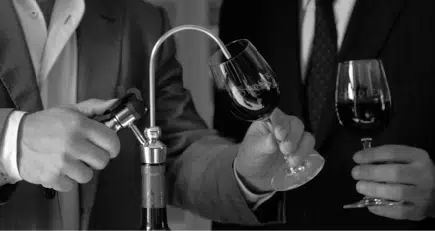
How Wikeeps wine preservation system keeps bottles fresh for 30 days
Wikeeps is a unique and patented French wine serving and preservation system that keeps opened bottles of wine fresh for up to 30 days after opening, whilst enabling wine service by the glass. This innovative approach addresses the central challenge: the Wikeeps wine preservation system uses an oenological gas mixture perfectly suited to wine preservation, composed of 80% Argon and 20% CO2—the identical mixture employed by winemakers in their vats during vinification to prevent oxidation.
The Wikeeps system injects oenological gas into the bottle, where it occupies the space between the wine surface and the bottle opening. By creating a protective atmosphere of inert gas, the wine is shielded from direct air contact, preventing the oxidation process that would otherwise degrade its flavour and aroma.
The Wikeeps system, already used and approved by many professionals, is the perfect ally for the preservation and service of wine by the glass. To perfect the wine service in restaurants, Wikeeps offers the Wibox 2+ wine serving cabinet, which maintains bottles at the ideal temperature whilst incorporating two integrated preservation systems.
The Wikeeps approach therefore meets the three essential components of wine service by the glass:
- Preservation of opened wine for more than 30 days without oxidation,
- Immediate aeration and ideal wine temperature for tasting,
- Elegant vertical pouring from the stopper, preventing sediment and impurities from entering your glass
Ideal for maximising profitability of wine-by-the-glass operations in catering establishments, this combination of temperature-controlled storage and wine preservation technology is also widely used by estates to optimise the cost of tastings during periods of lower wine tourism traffic. For those seeking a comprehensive solution without a refrigerated cabinet, wine preservation system Prestige Box offers professional-grade preservation capability in an elegant, portable format.
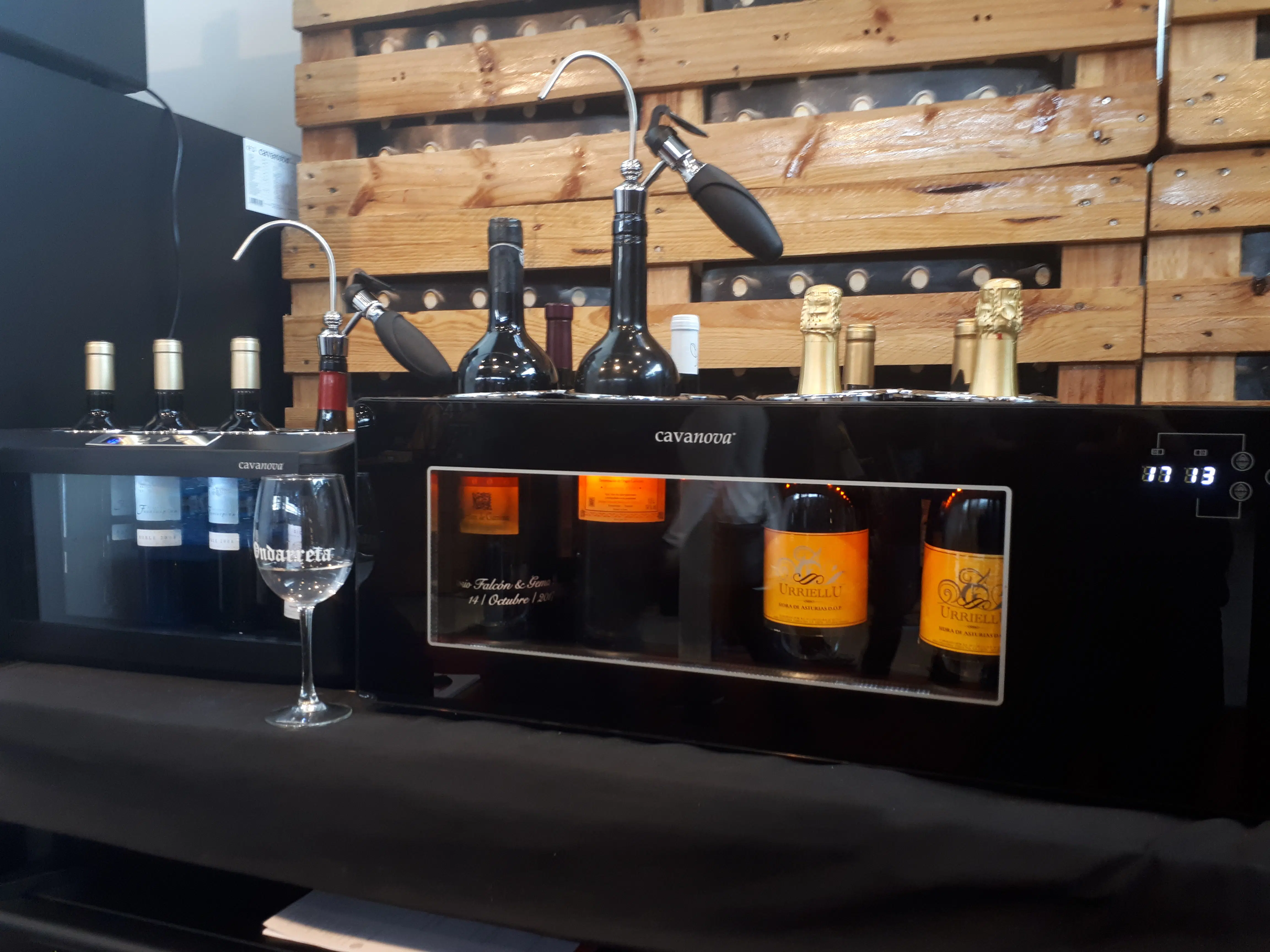
Understanding oxidation and preservation science
Wine oxidation is a non-enzymatic process catalysed by oxygen exposure, temperature fluctuations, and light. When a bottle is opened, oxygen immediately begins reacting with the wine’s polyphenolic compounds and colour compounds, gradually altering flavour and aroma. Sulphur dioxide (SO₂) serves as a natural antioxidant used during winemaking, but this protection diminishes once the bottle is opened. For those serious about preserving opened wine beyond the initial days, the Wikeeps wine preservation system offers a scientifically proven alternative: by replacing the air space with inert gas, oxidation is effectively halted, maintaining the wine’s fresh characteristics and complexity for significantly longer than traditional storage methods alone.
The closure type also influences preservation duration. Natural cork allows gradual, fluctuating oxygen transfer, whilst screw caps offer nearly hermetic closure with minimal oxygen ingress. However, once a bottle is opened and recorked or resealed with a basic stopper, oxygen exposure becomes rapid. This is where gas-based preservation systems provide measurable advantage: they actively protect the wine rather than simply slowing oxidation.
Why classic preservation alone is insufficient
Traditional storage methods—keeping wine cool, dark, and in stable conditions—slow oxidation but cannot stop it. Research into enhancing wine shelf-life demonstrates that oxygen exposure is the primary driver of quality degradation after opening. Temperature and light are secondary factors that amplify oxidation rates, but they cannot prevent it entirely. This is why wine preserved with proper techniques still deteriorates within 48 hours under standard conditions.
For wine enthusiasts, collectors, and professionals who wish to explore wines by the glass without rushing through each bottle, a dedicated preservation system represents the meaningful difference between enjoying wine at its intended quality level and consuming oxidised wine nearing the end of its viable life.
Frequently asked questions about red wine preservation
What is the best way to preserve red wine longer after opening?
The most effective approach combines proper storage conditions with an active preservation system. Store opened red wine bottles in a cool room below 15°C, in a dark place away from UV light, and use a wine preservation system like Wikeeps that injects inert gas (Argon and CO₂) into the bottle to prevent air contact and oxidation. This method can extend the life of opened wine to 30 days or beyond, compared to just 2–3 days with storage alone.
How should red wine be stored once the bottle is opened?
After opening, red wine should be stored vertically in a cool environment below 15°C, away from direct light and heat sources. For short-term storage (2–3 days), ensure the bottle is sealed with a proper stopper or cork. For longer-term preservation, a wine preservation system like Wikeeps that uses oenological gas is recommended, as it creates a protective barrier that prevents oxidation and maintains the wine’s flavour, aroma, and fresh character far better than traditional recorking methods.
Are wine preservers worth the investment?
For anyone who enjoys wine by the glass, opens bottles occasionally, or works in hospitality, wine preservation systems represent excellent value. They eliminate waste by allowing opened bottles to remain enjoyable for weeks rather than days, pay for themselves through reduced waste and increased serving flexibility, and maintain wine quality at the level the winemaker intended. For casual drinkers who finish bottles within days, basic cool storage may suffice. For wine professionals, collectors, and enthusiasts, a dedicated preservation system is a worthwhile investment that enhances both enjoyment and economics.
Join the Wikeeps community to stay informed about wine preservation innovations and product updates. Follow Wikeeps on Facebook, Twitter and Instagram for exclusive wine-by-the-glass news and preservation insights.