
Table of Contents
- Understanding Wine Aging: Tannin, Acidity, and Structure
- Cabernet Sauvignon: Aging Structure and Bordeaux Excellence
- Pinot Noir: High Acidity and Burgundy Age-Worthy Potential
- Merlot: Aging Softness and Bordeaux Right Bank
- Nebbiolo and Barolo: Piedmont’s Age-Worthy Collectibles
- Riesling: Age-Worthy White Wine with Exceptional Cellaring Potential
- Sangiovese: The Tuscan Treasure
- Tempranillo: The Spanish Star
- Aglianico: The Southern Italian Gem
- Chardonnay: The Versatile White
- Wine Storage Conditions: Creating an Optimal Cellar Environment
- Enhancing the Vintage Wine Experience with Wikeeps
- Wine Preservation: Protecting Your Aged Bottles with Precision
- Pouring: precision and elegance for mature wines
- Versatility: Wikeeps for diverse wine collections
- Key factors for successful wine aging
- Conclusion: Building a Collectible Wine Collection
- Frequently Asked Questions
A 2010 Barolo from Piedmont or a Pauillac from Bordeaux can transform dramatically over 10-15 years—this is what collectors call aging potential. Age-worthy wines, often called vins de garde, are crafted from high-quality grapes specifically for long-term cellar aging. They stand out with concentrated aromas, complex flavors, higher alcohol levels, and a robust structure that improves with time. Learn more about the characteristics of age-worthy wines that enable successful maturation. This article explores why certain varietals excel at aging—including Cabernet Sauvignon, Pinot Noir, Merlot, Nebbiolo, Riesling, Sangiovese, Tempranillo, Aglianico, and Chardonnay—and how proper storage conditions combined with Wikeeps technology can preserve your collectible wine investment.
Understanding Wine Aging: Tannin, Acidity, and Structure
Before selecting varietals, understand how wine ages. Aging allows wine to develop secondary and tertiary flavors, evolving beyond the primary fruit notes in young wines. This transformation depends on chemical factors: tannin acts as a natural preservative, acidity maintains freshness, sugar provides energy for development, and alcohol provides stability. These compounds interact over years, creating the complexity prized by collectors. Proper storage—a consistent temperature around 13°C (55°F), humidity near 70%, minimal light exposure, and horizontal bottle position—remains essential for successful aging.
Cabernet Sauvignon: Aging Structure and Bordeaux Excellence
Cabernet Sauvignon is renowned for its robust structure and age-worthy potential. High levels of tannin and acidity, combined with concentrated flavors of blackcurrant, plum, and spice, make it an ideal candidate for aging. Over time, tannins soften, and the wine develops complex aromas of cedar, tobacco, and leather. Bordeaux’s Pauillac and Margaux regions produce collectible Cabernets that can age for 20-30+ years in proper storage conditions, as do premium Napa Valley expressions.
Pinot Noir: High Acidity and Burgundy Age-Worthy Potential
Pinot Noir is known for its elegance and complexity. While it lacks the tannic structure of Cabernet Sauvignon, its high acidity and delicate fruit flavors allow it to age gracefully. Pinot Noir develops intricate layers of flavor over 10–15 years, including earthy notes of truffle and forest floor, alongside red fruit and floral aromas. Burgundy’s Côte de Nuits produces some of the finest age-worthy Pinot Noirs, with many bottles improving for decades when properly cellared.
Merlot: Aging Softness and Bordeaux Right Bank
Merlot, often blended with Cabernet Sauvignon in Bordeaux, is appreciated for its plush texture and approachable fruit flavors. High-quality Merlot can age beautifully, developing tertiary aromas of mocha, plum, and dried herbs. The Right Bank of Bordeaux, especially Pomerol and Saint-Émilion, is renowned for producing collectible Merlots with excellent aging potential, often maturing over 15–25 years.
Nebbiolo and Barolo: Piedmont’s Age-Worthy Collectibles
Nebbiolo, the grape behind Barolo and Barbaresco, is one of Italy’s most prestigious varietals. Known for its powerful tannins, high acidity, and complex flavors of cherry, rose, and tar, Nebbiolo can age for decades. As it matures, it gains layers of complexity, including notes of dried fruit, leather, and spice. The Langhe region in Piedmont is the heartland of age-worthy Nebbiolo wines, with Barolo bottles often requiring 10+ years to reach optimal drinking maturity.
Riesling: Age-Worthy White Wine with Exceptional Cellaring Potential
Riesling is unique among white wines for its exceptional aging potential. High acidity and varying residual sugar enable this vintage wine to evolve dramatically, developing honeyed and petrol-like aromas alongside characteristic citrus and stone fruit flavors. Mosel and Rheingau Rieslings can age for 20–30 years or more in proper storage conditions, making them among the world’s longest-lived white wines. The complexity develops slowly but rewards patient collectors.
Sangiovese: The Tuscan Treasure
Sangiovese, the primary grape in Chianti and Brunello di Montalcino, is Italy’s most widely planted red grape. With its bright acidity, firm tannins, and flavors of cherry, red currant, and earth, Sangiovese ages beautifully. Over time, it develops savory notes of leather, tobacco, and spice. Tuscany, particularly the Chianti Classico and Montalcino regions, is known for producing age-worthy Sangiovese wines with aging potential of 15-25+ years.
Tempranillo: The Spanish Star
Tempranillo, the backbone of Rioja and Ribera del Duero wines, is Spain’s most celebrated red grape. Its moderate acidity and tannin levels, coupled with flavors of red and dark fruit, leather, and spice, make it ideal for aging. With time, Tempranillo wines can develop complex notes of dried fig, tobacco, and vanilla. Rioja, with its tradition of mandated oak aging and extended bottle maturation, produces some of the most age-worthy Tempranillo wines available to collectors.
Aglianico: The Southern Italian Gem
Aglianico, often called the “Barolo of the South,” is known for its intense tannins and high acidity. This robust red wine, with flavors of dark fruit, smoke, and earth, can age for decades, developing complex notes of leather, chocolate, and spice. The regions of Taurasi in Campania and Vulture in Basilicata are renowned for their age-worthy Aglianico wines, with many bottles requiring 15+ years to fully mature.
Chardonnay: The Versatile White
Chardonnay, particularly from regions like Burgundy and California, has excellent aging potential. While many Chardonnays are enjoyed young, those with high acidity and extended oak aging can develop beautifully over time. Flavors of green apple and citrus evolve into notes of honey, almond, and baked bread. White Burgundies, such as Meursault and Chablis, and top-tier Californian Chardonnays are known for their aging potential, often improving for 15-20+ years when properly stored.
Wine Storage Conditions: Creating an Optimal Cellar Environment
Successful wine aging requires understanding both the wine’s structure and your storage environment. Age-worthy wines demand consistent cellar conditions to develop properly. Maintain a stable temperature of around 13°C (55°F), humidity of around 70%, and minimal light exposure. Store bottles horizontally to keep the cork moist and prevent oxidation. These conditions are essential whether you use a dedicated wine cellar or a specialized wine cooler. For collectors with limited space, a dual temperature wine cooler maintains optimal aging conditions—holding 8 bottles at precise temperatures between 5°C and 18°C, allowing you to store both red and white wines simultaneously.
Enhancing the Vintage Wine Experience with Wikeeps
Aging wine is a long-term investment that culminates in the enjoyment of a beautifully matured bottle. However, once a bottle is opened, preservation becomes the challenge. This is where Wikeeps wine preservation technology comes into play.
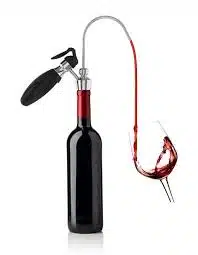
Explore our wine preservation systems now!
Wine Preservation: Protecting Your Aged Bottles with Precision
Once an age-worthy bottle reaches maturity and you open it, preservation becomes critical. Wikeeps uses argon and CO₂ gas to create an inert atmosphere preventing oxidation, keeping your collectible wine fresh for weeks after opening. This is essential for age-worthy wines where every glass represents years of cellaring investment. The protective gas blend maintains the wine’s developed aromas and complex flavors, ensuring that your vintage collection doesn’t lose its character once opened. The wine preservation system can preserve wine for up to 30 days, allowing collectors to enjoy premium bottles at their own pace without waste.
Pouring: precision and elegance for mature wines
With Wikeeps, you can serve your aged wine at optimal temperature with precision and elegance. The system allows you to pour each glass without disturbing the bottle’s sediment—a critical consideration for mature wines where clarity and complexity matter. This precision is essential for fully appreciating the nuanced, tertiary flavors developed during extended aging. Each pour remains controlled and professional, ensuring your investment in age-worthy wines delivers the tasting experience it deserves.
Versatility: Wikeeps for diverse wine collections
Wikeeps is compatible with various wine types—reds, whites, and sparkling wines—making it versatile for diverse collections. Whether you’re serving a collectible Cabernet Sauvignon, a mature Riesling, or a prestigious Burgundy Chardonnay, Wikeeps ensures optimal preservation and service temperature for each vintage. Its adaptability means you can enjoy your entire wine range while maintaining the quality that made them worth cellaring.
Key factors for successful wine aging
To ensure successful aging of your wine collection, evaluate these essential factors:
- Quality and structure: Only wines with balanced tannin, high acidity, and concentrated fruit have age-worthy potential. Bordeaux and Burgundy châteaux produce wines specifically designed for 20+ year cellaring. Look for wines from established regions with proven track records.
- Storage conditions: Maintain consistent temperature (ideally 13°C/55°F), humidity around 70%, and minimal light exposure. These conditions are essential whether you use a dedicated wine cellar or wine cooler. Temperature stability matters more than the exact degree achieved within acceptable ranges.
- Bottle position and format: Store bottles horizontally to keep the cork moist and prevent oxidation. Larger formats like magnums age more slowly than standard 750ml bottles, affecting your aging timeline and cellaring strategy.
- Time and patience: Age-worthy wines require extended cellaring—often 5-30 years depending on vintage and varietal. Only a small percentage of wines possess the structure to improve significantly with aging; these truly age-worthy bottles reward patient collectors with remarkable complexity and depth.
Conclusion: Building a Collectible Wine Collection
Exploring age-worthy wines is a journey combining patience, knowledge, and passion for wine complexity. By selecting varietals known for excellent aging potential—such as Cabernet Sauvignon, Pinot Noir, Nebbiolo, Riesling, and Burgundy Chardonnay—you can build a collectible wine collection that evolves beautifully over decades. Each bottle tells a story of its origin, vintage, and the passage of time, offering a truly unique and enriching experience for wine enthusiasts and collectors alike.
With the Wikeeps wine preservation system, this collecting journey becomes even more rewarding. By preserving opened bottles of your aged wine for weeks, Wikeeps ensures you can savor every nuanced flavor and complex aroma without pressure to finish bottles quickly. Whether you’re cellaring young wines for future enjoyment or serving mature, collectible wines, Wikeeps provides the tools to appreciate your vintage collection in its truest form. Your investment in age-worthy wines deserves nothing less than perfect preservation and service.
Frequently Asked Questions
Which grape varieties have the best aging potential?
Cabernet Sauvignon, Nebbiolo, Pinot Noir, Riesling, and Sangiovese top the list for age-worthy potential. Cabernet and Nebbiolo offer powerful tannin structure lasting 20–30+ years; Pinot Noir develops elegance over 10–15 years; Riesling—unique among whites—matures gracefully for 20+ years; Sangiovese evolves for 15–25 years. Selection depends on your preferred flavor profile and patience timeline, but all demonstrate proven complexity development with proper storage.
How long should you cellar wine before drinking?
Age-worthy wines vary significantly: Cabernet Sauvignon and Nebbiolo typically need 8–15 years minimum for optimal maturity but can age 20–30+ years; Pinot Noir peaks around 10–15 years; Riesling develops over 10–20 years; Sangiovese benefits from 15–20 years. Most collectors monitor their bottles for drinking readiness rather than following strict timelines, as vintage conditions and storage quality directly impact maturation speed. Peak maturity differs between wines, even from the same region.
What storage conditions are essential for aging wine properly?
Temperature consistency around 13°C (55°F) is critical—fluctuations damage wine more than slightly warmer or cooler stable temperatures. Maintain humidity around 70% to preserve corks, store bottles horizontally to keep corks moist, and minimize light exposure. Vibration should be avoided. These conditions prevent oxidation and allow the wine’s structure to develop complexity over decades, making professional wine storage or a quality wine cooler essential for serious collectors.