
Table of Contents
- Introduction
- What is Champagne and which grape varieties make it?
- The different types of Champagne: Blanc, Rosé and Brut
- Brut, demi-sec and extra dry: champagne flavours by sweetness
- How to choose the right Champagne?
- Where to buy Champagne?
- Conclusion
- Frequently Asked Questions

Introduction
For centuries, Champagne has been considered the festive drink par excellence. Known for its effervescent bubbles and its taste, which ranges from dry to slightly sweet, it is one of the most loved wines around the world. Enjoyed by celebrities and dignitaries alike, it has become a drink in its own right, with its own flavours, varieties and styles.
In this article, you will learn about the different types of Champagne and their unique flavours. You will also see how to choose the right bottle and where to buy it, so that you know everything you need about the king of wines and its wonderful world.
What is Champagne and which grape varieties make it?
Champagne is a sparkling alcoholic beverage that has been produced in France since the 17th century. It is made mainly from Chardonnay, Pinot Noir and Pinot Meunier grapes, grown in the French region of the same name around Reims and Épernay, and other grape varieties are also authorised.
The traditional method starts with still base wines, fermented at a controlled temperature and then blended from the three grape varieties. The blend is bottled and left to ferment a second time with sugar and yeast, which gives the wine its foam and its sparkle.
Blending is also where each producer defines its house style. Most bottles on the shelf are non-vintage champagne, assembled from several harvests so that the taste stays consistent from year to year, with a minimum of 15 months of ageing in the cellar. Conversely, a vintage champagne comes from a single year judged exceptional and must rest at least three years, which brings deeper toasty and nutty notes.
Grape origin matters too. The most prestigious cuvées often draw on the 17 villages classified grand cru, whose chalky soils give fruit with a fine, lasting acidity.
Champagne is generally classified by type, colour and flavour. The best-known types include Blanc de Blancs, made exclusively from white-skinned varieties (usually Chardonnay), and Blanc de Noirs, made exclusively from Pinot Noir and Pinot Meunier grapes. White Champagne is generally lighter-bodied than Rosé, and its aromas range from fresh fruit and flowers to spices and wood.
Choosing the right bottle can be a daunting task, but knowing the types of Champagne and their flavours leaves you much better equipped to make your selection. Connoisseurs can also consult wine and spirits guides for further information on each style.
It is usually sold in specialist wine and spirits shops, but you can also find it in supermarkets and delicatessens, as well as from many specialist online retailers. Wherever you buy it, check the information on the age, type and price before making your purchase.
Interesting article: Discover the origins and evolution of champagne cork
The different types of Champagne: Blanc, Rosé and Brut
Champagne is one of the most popular wines in the world, and its different types offer distinct flavours. Knowing these varieties helps you choose the right bottle for every occasion.
There are three main types of Champagne: Blanc, Rosé and Brut.
White Champagne is the most commonly consumed type. It can be made from white grapes, black grapes or a blend of both, as set out in the rules governing the Champagne appellation. Generally light and fruity, it is perfect with fruit, desserts and cheeses.
Rosé is made either by macerating black grapes or by blending white wine with red wine from the region. It is sweeter than the white style, has a light pink hue and is usually served on special occasions. It is ideal with light dishes and fruit desserts.
Brut is made from white and red grapes. It is rich in flavour and often served on special occasions, and it is perfect with more elaborate dishes, seafood and cheeses.
Each type has its own character. The white style is light and fruity, Rosé is smoother and sweeter, and the flavours of Brut are more complex and richer.
The right choice depends on the occasion and on your guests’ tastes. For special occasions, Rosé and Brut are the right choices, as they are softer and more refined. For more informal moments, a light and fruity Blanc is a better fit.
There are many places to buy a bottle, including grocery shops, supermarkets and specialist shops. Choose one that suits your budget and your tastes, check its age and store it at the correct temperature.
Once opened, the bottle can keep its bubbles with the Wikeeps kit for preserving opened champagne, which uses oenological gas.
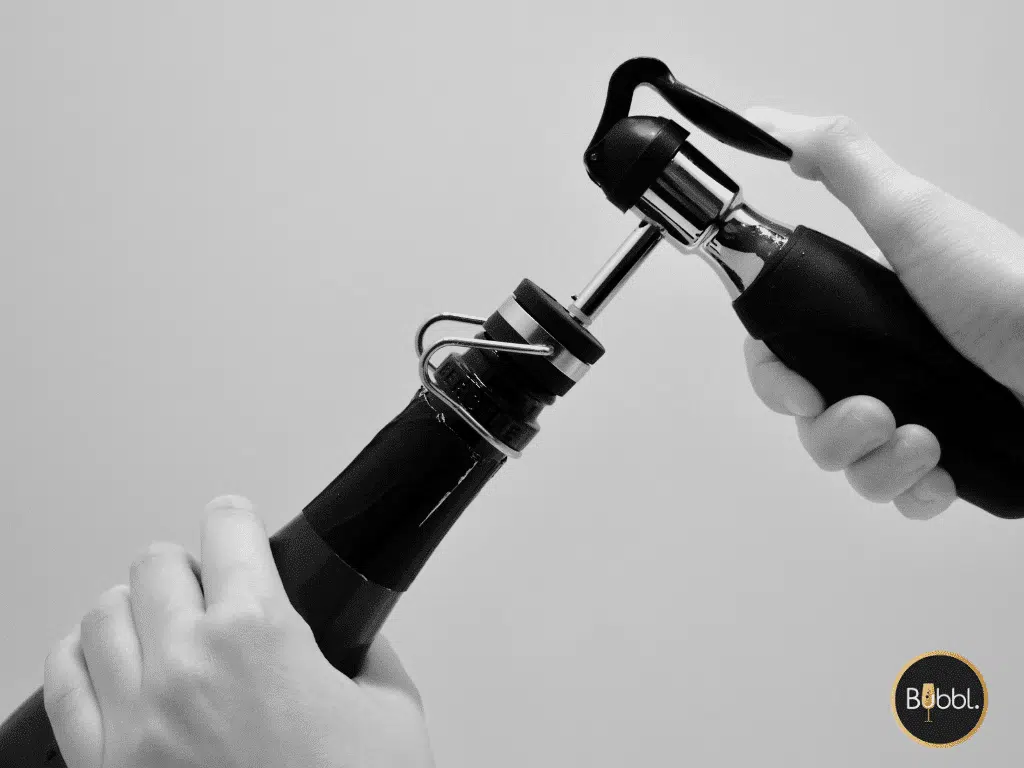
Discover the Wikeeps innovation
Brut, demi-sec and extra dry: champagne flavours by sweetness
The diversity of Champagne offers enthusiasts a wide range of flavours, shaped by grape variety and by sweetness levels. Each style has its own organoleptic characteristics, which makes it an exceptional product.
Sweetness comes from the dosage, a small dose of sugar added just before the final cork, and it is what separates one sweetness level from the next.
The scale runs from brut nature (under 3 grams of sugar per litre, with no added sugar) and extra brut (up to 6 g) to brut (under 12 g), extra dry (12 to 17 g), sec (17 to 32 g), demi-sec (32 to 50 g) and doux (over 50 g).
In practice, the lower the dosage, the more the natural acidity of the wine comes through. A brut nature or an extra brut, crisp and saline, is a classic match for oysters.
Brut is the most common style. It is dry and can be slightly fruity, with notes of yeast, brioche and nuts. It is ideal with light dishes such as seafood, salads or cheeses.
Demi-sec is sweeter and fruitier than Brut, with flavours of ripe fruit and honey. It is perfect with desserts and spicier dishes.
Extra-Dry is sweeter than Brut but drier than demi-sec. Slightly fruity, it has hints of dried fruit and honey and goes well with meat or poultry dishes.
Rosé is light and fruity, with notes of red fruit, raspberry and strawberry. It is perfect with red meat dishes or desserts.
Blanc de Blancs is a unique style made exclusively from white-skinned grapes, usually Chardonnay, although other authorised white varieties may be used. It is very dry and can show flavours of nuts, citrus such as lemon, apricot and brioche. It is ideal with fish and seafood.
Blanc de Noirs is also a unique style, made exclusively from Pinot Noir and Pinot Meunier grapes. It is dry and slightly fruity, with notes of red fruit, blackberries and vanilla, and pairs well with red meat dishes or desserts.
These different types of Champagne offer a variety of interesting flavours, and each deserves to be tasted and appreciated for what it is. A tasting lets you appreciate this complexity, and a wine preservation system can help preserve wine when serving by the glass.
How to choose the right Champagne?
Although Champagne is often associated with celebrations, choosing the right bottle takes some knowledge. Varieties, types and flavours differ, so it is worth taking the time to explore the options and find the style of Champagne that suits you.
Choosing a good bottle starts with setting your budget. Prices vary, and you may want to save money or invest in a more expensive, higher-quality cuvée. Once your budget is set, you can look for options within that range.
You will also want a wine that matches your personal taste. Try different types of Champagne until you find the one that suits you best, since each type has its own flavours.
It is also worth researching the bottle you are considering. Reviews and opinions on the web show what other customers think, and you should check the quality and freshness of the bottle to make sure it is in good condition.
Finally, look for a good place to buy. A grocery shop or a wine cellar offers quality bottles, while buying online can be more convenient and can save you money.
In conclusion, choosing well can seem daunting, but taking the time to learn about varieties and flavours lets you find the one that is right for you. Add reviews, opinions and a good place to buy, and you can enjoy a complete and pleasant experience.
Where to buy Champagne?
If you are looking for a good Champagne, you need to know the best places to find it. Each buying option suits different tastes and budgets, so it is worth choosing carefully.
Specialist liquor shops are a great option. They usually offer a variety of brands at affordable prices, along with professional advice on choosing the right bottle.
Supermarkets are also a good source. They frequently offer a variety of sparkling wines at reasonable prices, including lesser-known brands and special offers.
Large supermarket chains such as Carrefour or Auchan have departments specialising in wines and spirits. They mainly offer a wide range of bottles at affordable prices.
Wine shops are another great option. Wine merchants offer a variety of cuvées from different brands and at various prices, along with professional advice on choosing the right one.
Finally, you can buy online. Online sales sites generally offer a variety of brands at affordable prices, as well as bundles, special offers, reviews and advice.
Wherever you choose to buy, pick a quality product that fits your tastes and budget, and compare brands and types before making your choice.
When the bottle is a gift, a prestige box for keeping champagne fresh in an upcycled cork case completes it and keeps the bubbles and aromas of an opened bottle intact.
Conclusion
In conclusion, Champagne is a sparkling wine that can be made from different grape varieties, offering a variety of unique flavours and aromas.
Each type has its own characteristics, so choose the one that suits the meal or the occasion. Fortunately, it is available both in shops and online, which makes it easy to find for any occasion.
Frequently Asked Questions
What does Champagne taste like?
Its aromas range from fresh fruit and flowers to spices and wood. Brut shows notes of yeast, brioche and nuts, Rosé offers red fruit, raspberry and strawberry, and Blanc de Noirs adds blackberries and vanilla. White Champagne is generally lighter-bodied than Rosé.
What is the difference between Brut and demi-sec Champagne?
Brut is dry and pairs with seafood, salads and cheeses. Demi-sec is a sweet Champagne, fruitier than Brut, with flavours of ripe fruit and honey, and is best with desserts and spicier dishes. Extra-Dry sits between the two.
What is the difference between Blanc de Blancs and Blanc de Noirs?
Blanc de Blancs is made exclusively from white-skinned varieties, usually Chardonnay, and is very dry, with nutty, lemon, apricot and brioche notes. Blanc de Noirs comes exclusively from Pinot Noir and Pinot Meunier and is dry and slightly fruity, with red fruit and vanilla.