
Why Oxygen Threatens Wine Quality After Opening
The moment you pull the cork, oxygen starts attacking your wine, breaking down its delicate flavors and aromas. In just days, oxidation can transform a vibrant fine wine into something flat and unpleasant. This is why wine professionals battle oxygen throughout the winemaking process.
To combat this, the Coravin wine preservation system uses argon gas, creating an invisible shield that keeps your remaining wine fresh. This method maintains the wine’s quality exactly as the winemaker intended, even weeks after opening.
How Argon Gas Creates an Invisible Shield for Wine
Argon is a heavy, inert gas that doesn’t react with wine. When introduced into the bottle, it forms a protective layer right above the wine’s surface, blocking oxygen completely. Unlike vacuum pumps that eventually fail, pure argon stays put, keeping your stored wine safe.
For optimal results, use your Coravin wine preservation system immediately after pouring. Once oxidation begins, there’s no way to reverse its effects on taste and aroma.
The Science Behind Food-Grade Inert Gas Preservation
Premium systems like Coravin Timeless use food-grade gas cartridges containing a mix of 90% argon and 10% CO₂. This precise blend – similar to what grand crus use in barrel aging – maintains the wine’s full character. In tests, this method preserved a Pinot Noir’s quality for over three weeks.
Choosing the Right Wine Preservation System for Your Needs
Simple spray canisters work well for occasional drinkers, adding about two weeks to a bottle’s life. But for serious enthusiasts and professionals, needle-through-cork systems like Coravin offer superior protection. They inject argon without removing the stopper, preserving fine wine for months.
Commercial Solutions for Wine By-the-Glass Programs
Bars and restaurants need serious protection for their wine by-the-glass offerings. Professional systems combine temperature control, UV protection, and advanced argon sealing. Some models can preserve over 120 bottles with a single cartridge, minimizing waste while ensuring every pour meets exacting standards.
This commercial-grade wine preservation system features vertical-pour technology and durable construction, perfect for venues storing multiple premium bottles between services.
Essential components of effective preservation kits
A complete wine preservation system goes beyond just gas canisters. Our Elite kit includes everything you need: a dispensing gun, stainless steel spout, sediment filter, preservation caps, and a cleaning brush—all working together to maintain your wine bottle’s quality and create an airtight seal.
The dispensing pistol injects inert gas, creating pressure that lets wine pour smoothly. For best results (especially with delicate white wine), keep your glass touching or very close to the spout—this prevents excessive foaming. Just one squeeze delivers a perfect serving while keeping the rest of your open bottle protected.
Maintaining your wine bottle preservation equipment
Always rinse the spout after each use, and give it a thorough scrub with the provided brush—this is extra important when switching between red and white wine to prevent flavor mixing. Don’t forget to immediately cap the bottle with the wine preserver stopper—skipping this step can lead to oxidation in the tube and affect future pours.
Regular maintenance keeps your system working perfectly. Inspect all seals every few months, replace worn parts promptly, and always store your open bottle upright in the fridge. For serving: reds at 15–18°C, while whites and rosés should stay chilled to help you fully enjoy wine at its best.
Argon versus other wine preservation methods
Vacuum pumps remove air initially, but each time you open the bottle, oxygen gets back in—typically giving you just 2-4 days of freshness. Nitrogen is also inert, but because it’s lighter than argon, it doesn’t form as protective a layer over your wine.
While CO₂ works well for maintaining bubbles in sparkling wine, it dissolves too quickly in still wines and may alter their taste. This is why specialized systems like Coravin Sparkling use precise pressure control instead—standard preservation methods can’t keep champagne fresh as long.
When to combine preservation approaches
Remember that argon doesn’t replace proper aeration. For bold reds that need breathing time, decant them first, then use your wine saver to serve glasses while protecting the remainder. Innovative tools like the Vin Wine Saver work beautifully with quick aerators—just seal the bottle once the aromas have developed.
For aged wines that develop sediment, always attach the filter before pouring—this ensures clarity while you enjoy wine. This combination is especially valuable when you can’t finish an open bottle all at once, as it prevents oxidation between servings.
Practical capacity and cartridge management
Each standard Coravin capsule holds 21 ml of argon gas, weighing approximately 6.5 grams, which typically pours about 18 glasses. That’s enough to protect three standard 750ml bottles – perfect for serving multiple wines at a six-person tasting or dinner. Use this as a guide when planning your wine service needs.
Swap out cartridges immediately when pouring pressure drops, especially before big events where usage will be heavier. Always have extra Coravin capsules on hand – if you run out mid-pour, you’ll need to remove the device, open the bottle normally, and the wine will start oxidizing right away.
Disposal and sustainability considerations
Empty cartridges still contain compressed gas, so follow local recycling rules for pressurized metal containers. The system dramatically cuts wine waste by letting you serve from an open bottle for weeks rather than pouring unused portions down the drain – this alone often pays for the Coravin system within months at restaurants.
Optimizing preservation performance and longevity
After pouring, immediately reseal by injecting fresh argon gas to maintain the protective layer. Store bottles upright in a cool, dark place (fridge works best for whites). Proper storage keeps the argon blanket intact and preserves the wine’s original taste qualities much longer.
Preservation time varies by wine type – delicate young reds fade faster than bold varieties, while chilled whites maintain their character better than those stored at room temperature.
Understanding system limitations and realistic expectations
While argon prevents new oxidation, it can’t fix pre-existing issues like cork taint or revive spoiled wine. For sparkling wines, you’ll need the specialized Coravin Pivot system that maintains carbonation rather than just sealing the bottle.
Official estimates suggest preservation from weeks to months, but real-world results depend heavily on technique and storage conditions. The better you follow best practices, the longer your open bottle will maintain its quality.
Professional applications in hospitality and events
Upscale wine bars depend on Coravin’s wine preservation technology to serve 30–50 premium wines by the glass without spoilage, protecting profits on their fine wine selections. The system works by inserting a fine needle through the cork while argon gas flows in to displace oxygen. A special stopper then forms an airtight seal, keeping each bottle fresh for weeks after opening.
Top hotels and restaurants connect this same wine preservation system with inventory software to manage portions and ensure every pour maintains perfect taste quality. Suppliers typically provide hands-on staff training covering bottle changes, temperature control, and maintenance protocols to maintain service standards during peak hours.
Event and tasting applications
Catering teams and wine experts bring portable Coravin units to multi-day events, allowing them to serve varied tasting flights without wasting leftover wine. Since the argon gas preserves each bottle’s integrity, guests can enjoy another glass of wine later without pressure to finish opened bottles immediately.
Wine educators value how this technology lets them access reference bottles repeatedly for classes. Students benefit by tasting wines in their prime condition rather than oxidized samples. The system preserves aroma and structure faithfully, ensuring consistent tasting experiences throughout an entire course.
Selecting compatible accessories and replacement parts
Always choose accessories specifically designed for your Coravin model, particularly argon gas cartridges, replacement needles, extra stoppers, and spare O-rings. Since some components are model-specific, verifying compatibility prevents operational disruptions or leaks that could compromise wine preservation.
High-volume establishments may go through multiple cartridges weekly, while home users generally replace them every few months. Purchasing in bulk ensures constant supply, reduces per-use costs, and guarantees your wine preservation system never falters during important service periods.
Building a complete preservation toolkit
Enhance your basic setup with travel cases, additional seal components, and specialized needles for alternative closures like synthetic corks or wax seals. Keep cleaning materials within easy reach – poor maintenance (more than cartridge depletion) is what typically affects Coravin performance and long-term wine preservation quality.
Maintain a simple log to track cartridge usage, needle condition, and cleaning schedules. Routine inspections ensure consistent protection, so your Coravin wine preservation system continues delivering perfect pours without interruption.
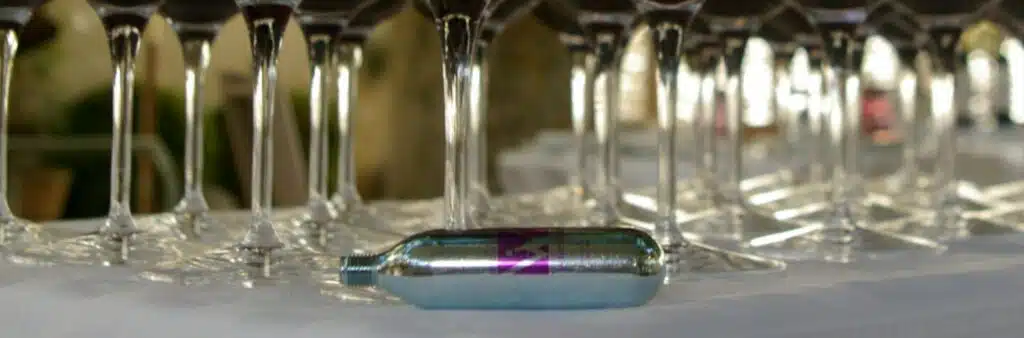
Discover our Wikeeps cartridges
Implementing argon preservation in your wine service routine
Start by mastering the pouring technique: gently position your glass against or just beneath the spout for a smooth, controlled pour. This careful method prevents splashing and preserves the delicate structure of white wine and fine wine varieties, whose subtle aromas can quickly dissipate when disturbed during the wine preservation process.
After pouring, promptly inject argon gas and secure the bottle with your preferred wine preservation system. While oxygen exposure begins immediately after opening, the inert argon creates an effective shield that keeps the remaining wine protected from oxidation throughout storage.
Storage strategy after preservation
Store preserved bottles upright in a consistently cool place – your regular refrigerator works perfectly. Simply let red wines warm up slightly before serving, and always avoid temperature fluctuations or direct sunlight, as these factors can undermine your wine preservation efforts even with a proper argon seal.
Label each preserved bottle with its opening date to track its development. While modern preservation methods can maintain wine quality for weeks, this simple practice helps you manage consumption and provides valuable insights into how different wines behave in your specific storage environment.
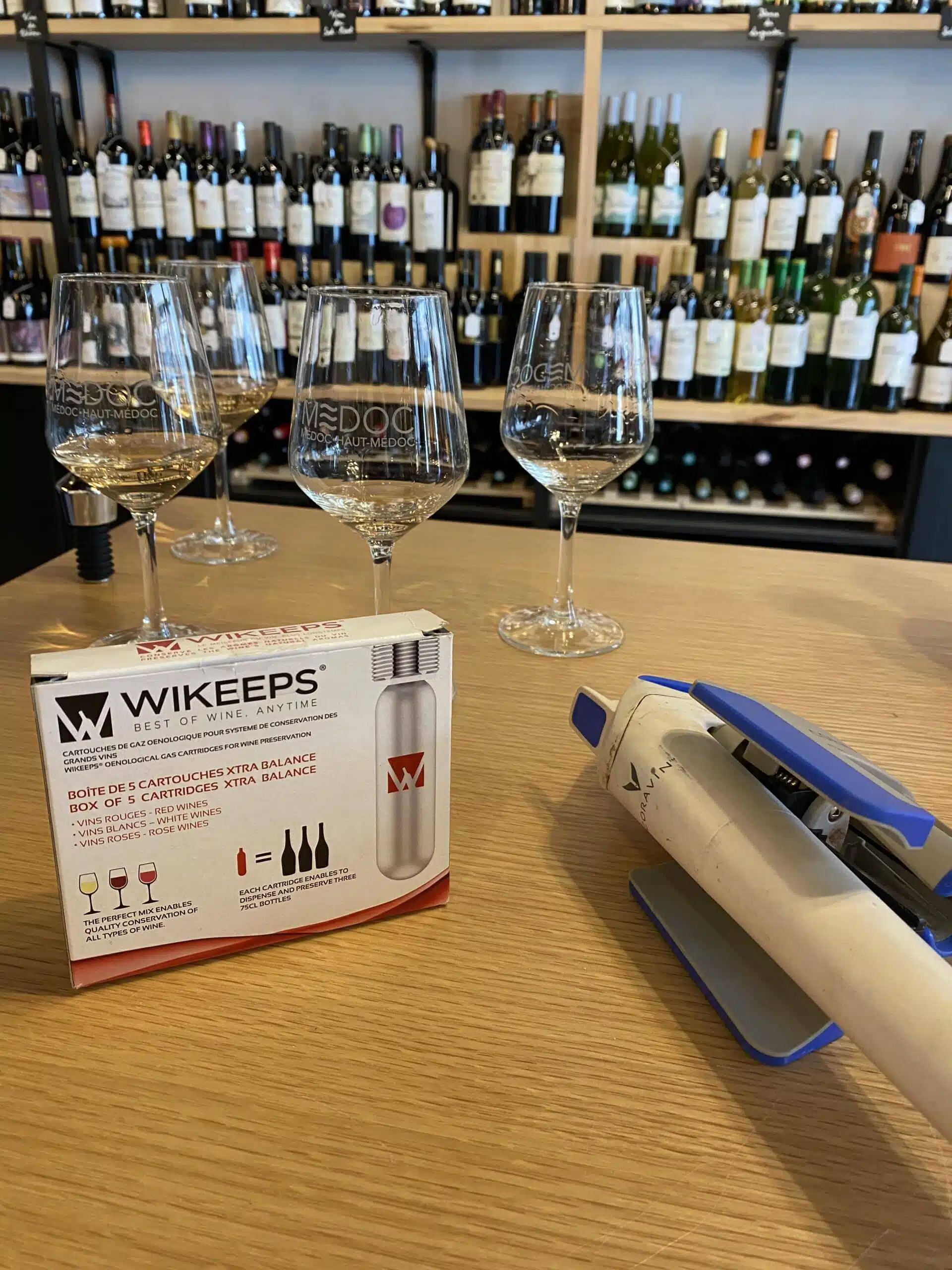
State-of-the-art wine preservation systems like Coravin unlock new possibilities – enjoying vintage comparisons over extended periods, offering diverse by-the-glass options without waste, or savoring fine wine one glass at a time. By perfecting argon techniques, you transform the experience from hurried consumption to leisurely enjoyment of your remaining wine at your preferred pace.
> Discover more about our advanced wine preservation solutions