
Table of Contents
- Inerting: the essential wine preservation process
- What is inerting and why does your wine system need it?
- Comparing inert gases: CO2, nitrogen, and argon for wine preservation
- Choosing the right gas: 80/20 blends for optimal wine preservation
- Wikeeps’choice: 80% argon and 20% CO2 for wine preservation
- How Wikeeps preserves opened wine without sacrificing quality
- Frequently Asked Questions
Inerting: the essential wine preservation process
Inerting is a technique that has protected wine in cellars for decades and remains essential today. It involves injecting food-grade gas into opened and unfinished bottles of wine to prevent oxygen from dissolving and causing oxidation. The process is explained in detail below, along with the reasons it is critical for preserving wine quality, aroma, and freshness after opening.
What is inerting and why does your wine system need it?
Inerting is the only effective way to prevent oxygen contact with opened wine. Oxygen comprises 21% of air; in a bottle, its concentration must be reduced below 1% to minimise oxidation and preserve wine quality. Without a wine preservation system, opened and unfinished bottles degrade within days as oxygen attacks aromatic compounds and colour. Inerting protects the wine’s taste, aroma, and freshness by displacing oxygen with inert gas, also preventing microbial proliferation.
Comparing inert gases: CO2, nitrogen, and argon for wine preservation
Three types of gas are commonly used for inerting: nitrogen, CO2, and argon. Each brings distinct advantages and limitations to wine preservation.
Nitrogen in wine preservation systems
Nitrogen is widely used in oenology but has clear drawbacks for wine preservation. Its lower atomic mass (28 u) means it circulates through the bottle’s headspace rather than forming a stable barrier. This requires thorough oxygen purging and risks drying out wine and decarbonating delicate sparkling wines. For storage beyond a few days, nitrogen requires higher gas consumption to maintain adequate protection.
CO2 in wine preservation systems
Pure CO2 alone is unsuitable for still wine preservation. Because CO2 is highly soluble in wine, it dissolves into the liquid to form carbonic acid, introducing unwanted carbonation and altering the wine’s taste, texture, and aroma profile. Food-grade CO2 works effectively for sparkling wines requiring carbonation maintenance, but for still wines, CO2 must be blended with an inert gas to avoid over-carbonation.
Argon for wine preservation
Argon is a naturally occurring inert gas comprising 1% of air. With an atomic mass of 40 u, argon is significantly heavier than oxygen (32 u) and nitrogen (28 u), forming a stable, dense barrier above the wine surface. This density advantage means argon requires less gas volume to achieve the required oxygen displacement, below 1% residual oxygen, compared to nitrogen-based systems. Argon cannot reverse existing oxidation but effectively slows further deterioration and protects wine freshness for weeks when combined with a proper stopper.
Choosing the right gas: 80/20 blends for optimal wine preservation
The choice of gas blend depends on wine type, storage conditions, and desired preservation duration. The most common commercial blend is 80% nitrogen and 20% CO2: the CO2 compensates for nitrogen’s decarbonating effect whilst maintaining effervescence in semi-sparkling wines. For still wines requiring longer preservation, an 80% argon and 20% CO2 mixture offers superior protection by combining argon’s density advantage with CO2’s subtle contribution to a wine’s aromatic profile.
These 80/20 proportions are calibrated to maintain optimal dissolved CO2 levels at specific storage temperatures. At 10°C, the 80% nitrogen and 20% CO2 blend maintains approximately 500 mg/L of CO2 in the bottle, the threshold for preserving freshness without over-carbonation. Temperature and gas composition directly affect how long an opened bottle remains drinkable: warmer storage accelerates oxidation, whilst the correct gas blend and stopper extend preservation to several weeks.
For still wine preservation beyond one week, an 80% argon and 20% CO2 blend is the most effective choice. This combination provides stable inerting without decarbonation risk or over-carbonation. Argon’s density maintains a protective layer for weeks, whilst the 20% CO2 contribution enhances subtle wine aromas. This blend is particularly suited to delicate, aromatic wines such as Pinot Noir or aged whites that benefit from extended preservation in a proper wine system.
Wikeeps’choice: 80% argon and 20% CO2 for wine preservation
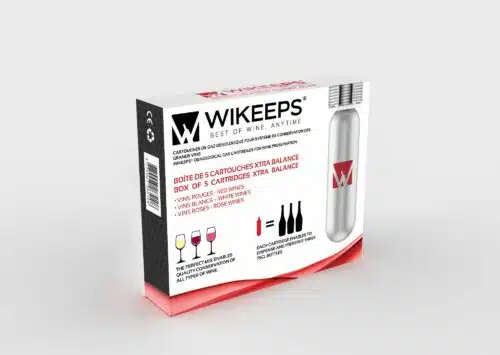
Wikeeps, in collaboration with Linde Gas, the global leader in oenological gases, has adopted an 80% argon and 20% CO2 food-grade gas blend for all cartridges. This proprietary mixture was developed to ensure optimal preservation of opened and unfinished bottles of wine. The blend reduces oxygen concentration to below 1%, preventing oxidation whilst maintaining the wine’s taste, aromatic qualities, and freshness for over four weeks when used with the proper stopper.
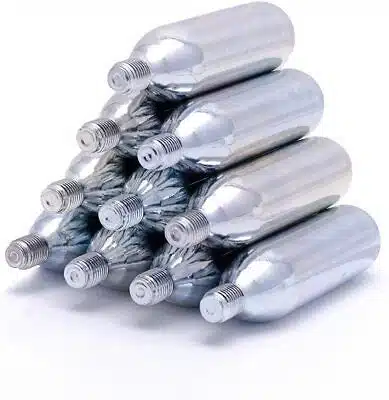
Whilst this argon-CO2 blend costs more per unit than nitrogen-only systems, the investment returns through reduced gas consumption and extended preservation. Each 21 ml Wikeeps cartridge can serve and preserve a minimum of 18 glasses across three 75 cl bottles, making the per-glass cost competitive. Cartridges are available in packs of 5 or 10 units, compatible with all professional wine-by-the-glass and wine service systems using the standard 21 ml format. They are manufactured in the EU to oenological standards and remain effective for five years before use.
This argon-CO2 system is why professional sommeliers, restaurants, and wine collectors choose Wikeeps: it delivers genuine protection against oxidation, extends preservation windows beyond competitor systems, and maintains wine quality without altering taste or introducing unwanted carbonation.
How Wikeeps preserves opened wine without sacrificing quality
The Wikeeps system preserves opened wine by displacing oxygen with food-grade argon and CO2, maintaining all taste, aroma, and colour for weeks rather than days. The inerting process is reversible: each pour reintroduces a controlled gas layer, so the wine deteriorates only when you choose to stop using the system. For home enthusiasts storing opened bottles for up to a month, or professional venues serving by the glass, this approach eliminates waste and maximises the value of premium bottles.
Discover our oenological gas cartridges
Research demonstrates that inert gas blends balance oxygen protection with sensory quality. An 80% argon and 20% CO2 blend creates a stable oxygen-blocking layer whilst contributing subtle freshness ideal for still wines, whereas an 80% nitrogen and 20% CO2 blend maintains the carbonation of semi-sparkling wines and prevents flattening. Food-grade standards ensure no impurities alter the wine’s chemistry. Saturating wine with carbon dioxide during inerting can significantly enhance fruity and floral aromas whilst maintaining microbial stability for months.
Frequently Asked Questions
Does CO2 alone preserve opened wine effectively?
Pure CO2 in high pressure is unsuitable for still wine preservation because it dissolves into the liquid to form carbonic acid, introducing unwanted carbonation and altering the wine’s taste and mouthfeel. A blended formula—80% argon and 20% CO2, or 80% nitrogen and 20% CO2—prevents over-carbonation whilst maintaining effective oxygen protection. Food-grade CO2 works well for sparkling wines requiring carbonation maintenance, but still wines need the inert gas blend.
How long does the argon and CO2 gas blend preserve opened wine?
An 80% argon and 20% CO2 blend in our preservation capsules save opened wine for over four weeks when used with a proper stopper, maintaining all taste and aromatic qualities. Your wine stays stored without spoiling, preserving its original flavor profile. Nitrogen-based blends (80% nitrogen/20% CO2) typically preserve wine for one to two weeks. The preservation window depends on storage temperature, initial wine quality, and stopper seal quality; warmer conditions accelerate oxidation and reduce shelf life, making proper wine storage a key saver for enthusiasts.
Is the argon and CO2 blend suitable for all wine types?
The 80% argon and 20% CO2 blend works best for still wines, particularly delicate and aromatic varieties such as Pinot Noir and aged whites requiring preservation beyond one week. For sparkling wines and champagne, an 80% nitrogen and 20% CO2 blend maintains carbonation without flattening. For high-turnover wine bars serving bottles within one to two days, either blend is suitable; for home cellars and extended preservation, the argon-CO2 blend is the superior choice.