
Table of Contents
How the Coravin aerator delivers instant decanting results
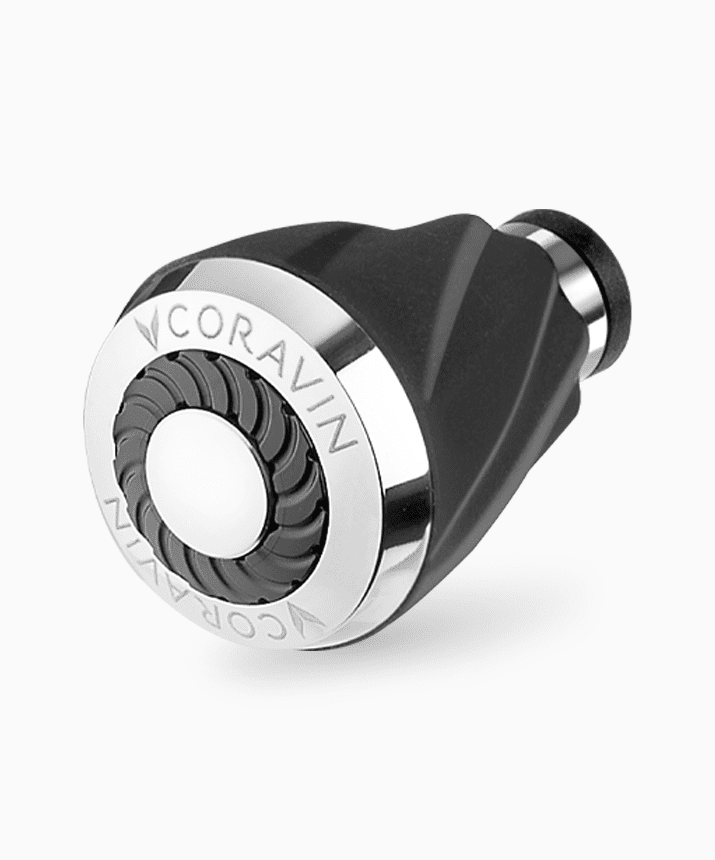
The Coravin Timeless Aerator easily attaches to the Coravin spout, transforming every pour into an expertly aerated experience without needing a separate decanter. When you press the trigger, wine flows through specially designed chambers where controlled turbulence introduces air, creating delicate micro-bubbles that soften tannins and unlock aromatic compounds in mere seconds.
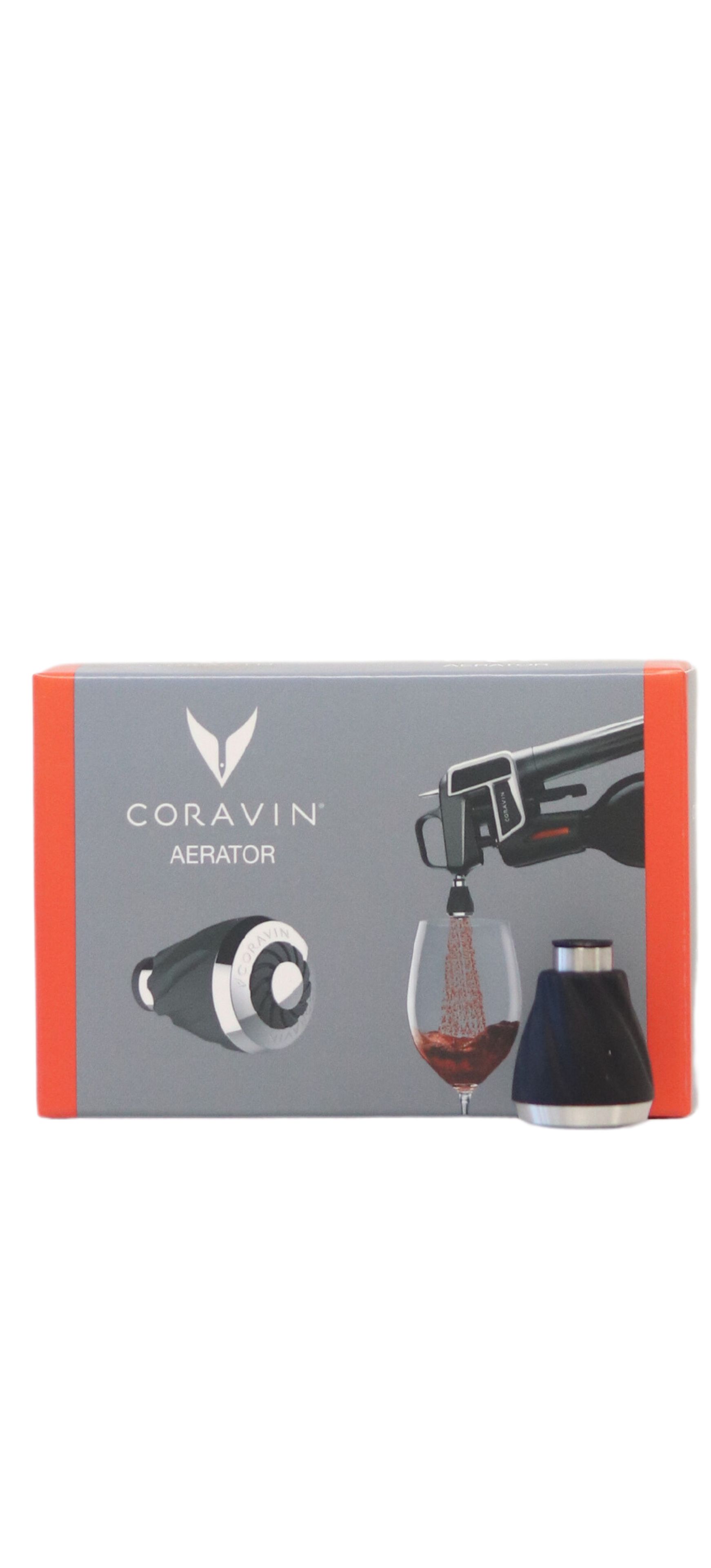
Venturi technology creates micro-bubbles for rapid aeration
This innovative Coravin accessory employs Venturi principles—narrowing the wine stream as it exits the needle to increase speed and draw in air through tiny openings. The high-velocity liquid passes through multiple internal screens, ensuring thorough aeration without excessive foam or splashing that could compromise taste.
- Multi-stage chamber design: Successive screens maximize exposure, guaranteeing consistent aeration whether you pour 30 ml or 90 ml.
- Precision micro-bubble formation: Tiny channels produce thousands of evenly dispersed bubbles, mimicking an hour of decanting.
- Adjustable airflow via trigger pressure: Light presses offer subtle aeration for delicate wines, while firmer holds work better for bold reds.
- Sparkling wine friendly: The high flow rate maintains carbonation, making it perfect for pairing with Coravin’s sparkling system.
A single aerated pour can open up a tightly wound Chardonnay as effectively as 30 minutes in a glass, while robust reds like Cabernet Sauvignon taste as if they’ve been decanted for an hour. Even fresh Sauvignon Blanc benefits from slight aeration, revealing brighter citrus notes without risking oxidation.
Tool-free attachment compatible with all Timeless systems
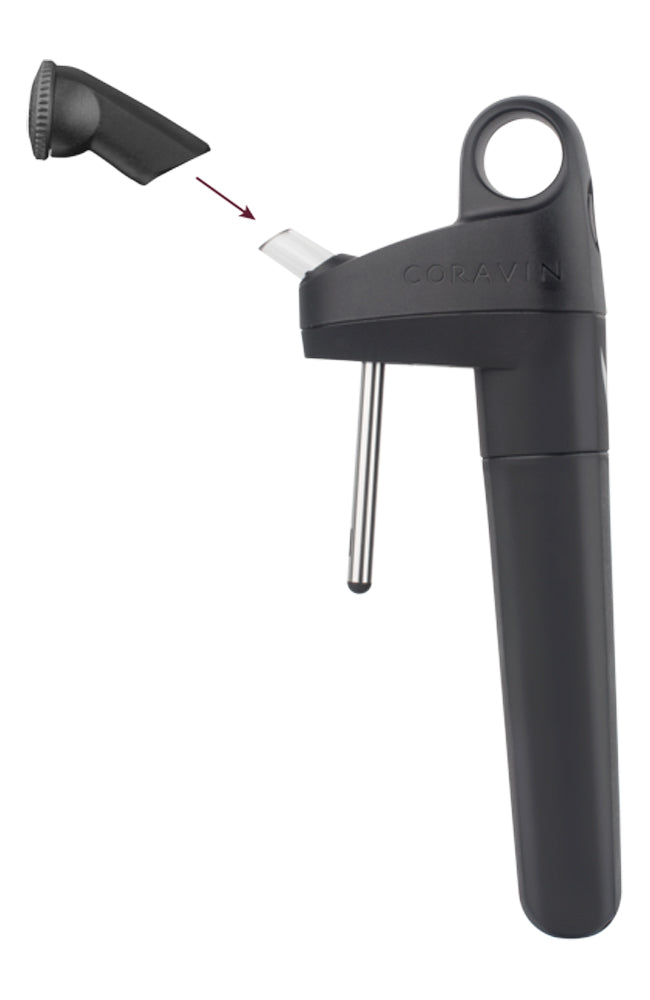
To make instant wine aeration hassle-free, the aerator simply clicks onto any Coravin Timeless spout—no additional tools needed. This quick-attach design is ideal for casual sippers and professionals alike, ensuring perfect aeration in seconds.
- Universal compatibility: Works with every Timeless needle type, including standard, vintage, and fast-pour models, as well as natural cork, synthetic, and screw-cap adapters.
- Seamless needle retraction: The sleeve design allows normal Coravin operation without interference.
- Easy cleaning: Simply remove, disassemble, and rinse—weekly maintenance keeps aeration performance consistent.
While the needle pierces the cork and argon preserves the wine, the aerator simultaneously oxygenates the poured portion. This dual function means you get perfectly aerated wine without sacrificing freshness—a balance Wikeeps enhances with their premium gas blends.
Which wine styles benefit most from Coravin aeration
Young, tannic reds like Cabernet Sauvignon, Syrah, and Malbec transform remarkably, with aeration quickly releasing dark fruit and spice notes. Medium-bodied reds such as Merlot smooth out beautifully, though careful pouring prevents over-aeration.
For aromatic varieties like Pinot Noir and Grenache, brief aeration highlights earthy complexity and floral hints—ideal for professionals evaluating multiple wines. Conversely, crisp whites and rosés (Albariño, unoaked Chardonnay) need minimal aeration, as too much oxygen can mute their vibrant acidity.
| Wine Style | Aeration Benefit | Recommended Intensity | Typical Result |
| Young Cabernet Sauvignon | High | Full trigger hold (2–3 seconds) | Silky tannins, pronounced dark fruit |
| Medium Merlot | Moderate | Short trigger pulses (1 second) | Enhanced fruit, smoother texture |
| Delicate Sauvignon Blanc | Low | Minimal or no aerator use | Preserved crispness and aromatics |
| Aged Burgundy (10+ years) | None to minimal | Manual decanting preferred | Protects subtle aged complexity |
| Vintage Port | Low with filter | Optional filter spout for sediment | Clean pour without clogging |
Exceptionally aged or delicate reds—like mature Burgundy or Rioja—can lose nuance with vigorous aeration, so gentle decanting may be preferable. For wines with heavy sediment (vintage Port, unfiltered Barolo), either use a filter spout or traditional decanting.
Cleaning and maintenance for consistent performance
To maintain optimal performance, rinse the aerator with warm water after each use, then disassemble to clean the mesh screen. For deeper cleaning, soak components weekly in mild soapy water and gently brush the Venturi channels to prevent buildup.
- Daily rinse: Flush with warm water to clear any residual wine.
- Weekly deep clean: Hand-wash or use the dishwasher’s top rack with a mild detergent.
- Drying is crucial: Let parts air-dry completely before reassembly to prevent uneven aeration.
Wikeeps emphasizes thorough drying because water spots can alter bubble formation. Learn how a wine aerator complements Coravin while maintaining the integrity of your collection—backed by Coravin’s two-year warranty and 60-day satisfaction guarantee.
Coravin aerator benefits for wine enthusiasts and professionals
For both private collectors and wine professionals alike, on-demand aeration eliminates the traditional constraints of space and time that used to limit wine-by-the-glass selections. Numerous dining establishments report boosting premium wine sales by about 20% after incorporating a Coravin Timeless Aerator into their setup – guests appreciate getting glasses with fully developed aromas immediately, without enduring lengthy decanting waits.
Timeless vs Pivot aerator: compatibility differences explained
Key design variations dictate that these aerators work with specific systems: The Timeless model features a straight downward cone matching its needle’s path, while the Pivot version’s angled spout works with its namesake stopper’s pouring action. These differences mean they’re not interchangeable – a point echoed across Coravin pivot review Reddit discussions where buyers emphasize verifying model compatibility before purchasing to ensure proper fit and aeration performance.
- Timeless vertical design: Directs wine downward, creating powerful Venturi effect aeration ideal for proper glass-by-glass serving.
- Pivot’s horizontal alignment: Matches the bottle angle during pouring, working in tandem with Pivot stoppers to maintain wine level with the cork.
- Attachment styles vary: Push-and-twist locking for Timeless versus snap-fit clips for Pivot – mixing them risks damaging delicate aeration screens.
- Volume calibration: Timeless adjusts for 30ml/90ml pours versus Pivot’s fixed measurements, requiring different internal chamber designs.
The Pivot aerator shines when pouring consistent tasting portions, while Timeless better suits traditional cork-finished bottles in formal settings. Both support quick service, but their engineering caters to different workflows – a distinction Wikeeps accounts for when crafting compatible gas systems tailored to each model’s flow characteristics.
How automated dispensers integrate Coravin aeration technology
Modern wine service reaches new efficiency levels when aerators pair with automated dispensing systems. Smart integration means sensors precisely control pour volume, aeration, and serving with single-touch operation. Wikeeps-programmed dispensers like WineStation automatically engage the aerator, guaranteeing consistent aeration quality across staff and service shifts.
This high-tech approach combines instant aeration with protective argon/nitrogen blanketing. Oxygen enters only through controlled aerator channels during serving. Such systems enable venues to offer premium pours (like $150 Barolo) across weeks while keeping leftover wine perfectly preserved between servings.
Restaurant and bar service advantages with instant aeration
Busy bars now replace clunky decanters with space-saving aerators that handle tannic reds effortlessly – just a quick rinse between different wines. Service efficiency improves dramatically as staff can deliver properly aerated glasses in seconds, meeting contemporary diners’expectations without lengthy explanations about traditional decanting needs.
The Coravin aerator’s sleek design presents a sophisticated tableside impression, avoiding the amateurish look of funnel gadgets in fine dining settings. Training becomes remarkably simple too – staff master the four-step “attach, insert, press, pour” sequence in a single shift compared to weeks needed for proper decanting technique.
Warranty coverage and professional support options
Coravin backs the Timeless Aerator with a two-year warranty covering manufacturing flaws, plus a risk-free 60-day trial period to evaluate real-world performance. Should questions arise, Wikeeps provides expert troubleshooting to identify whether inconsistent aeration stems from clogged components, seal wear, or pouring technique.
Explore detailed performance insights at our Coravin Timeless review, which examines how combining aeration with preservation extends bottle life while maintaining flavor integrity – particularly valuable for establishments managing extensive wine programs.
Optimal usage techniques and wine style considerations
Getting the most out of your aerator starts with knowing how bottle angle, pour speed, and air exposure affect your wine’s flavor and aroma. When used correctly, this simple tool can mimic the effects of 20-90 minutes of decanting in just one pour. For top-performing options, check out this guide: Discover the best wine aerators that boost flavor instantly. The remaining wine stays protected with argon gas, combining instant aeration with reliable wine preservation techniques.
Proper pouring technique for controlled aeration intensity
Hold the bottle at a gentle 15-20 degree angle with the Coravin needle fully inserted through the cork. Press the trigger for 1-2 seconds to create a smooth, aerated flow that enhances flavor without pushing out the stopper or splashing your glass.
- Low-fill adjustment: When wine levels drop below the bottle’s shoulder, extend your trigger press by half a second for consistent aeration.
- Pressure balance: The aerator’s Venturi chamber adds resistance – increase your pour time by about 20% compared to straight pouring.
- Taste-test method: Pour a small 15ml sample, swirl, and check the taste before adjusting your technique.
While some consider using a sulfite wand for wine, an aerator focuses on enhancing flavors rather than reducing preservatives. The Coravin system is designed for perfect balance – controlled exposure to oxygen when pouring, combined with inert gas preservation in the bottle.
When to avoid aerating: delicate and aged wines
Young, crisp whites like Riesling or Albariño can lose their bright floral notes with too much aeration. For these wines, either skip the aerator or use just a brief half-second burst of air to gently open aromas without overpowering their delicate character.
- Mature reds (15+ years): Age-developed complexity can disappear with aggressive aeration, leaving wines tasting flat.
- Oak-aged Rioja: Lengthy barrel aging means these wines need minimal additional oxygen exposure.
- Older Pinot Noir: Low tannin content makes them particularly vulnerable to rapid oxidation during aeration.
- Sweet dessert wines: Can become overly syrupy with too much air exposure.
For these special bottles, traditional decanting with monitoring provides better control. This is especially true for sediment-heavy wines like vintage Ports, where particles might clog aerator channels.
Handling sediment-heavy wines with aerator attachments
When dealing with aged bottles that contain tartrates or tannin deposits, start by decanting through filter cloth before re-bottling for aeration. Coravin offers a specialty filter spout that captures particles while maintaining proper aeration – ideal for older vintages that still benefit from some oxygen exposure.
Home versus professional settings: practical application tips
At home, an aerator simplifies serving by eliminating the need for large decanters. Always test a small amount first to determine the ideal pouring duration for each wine.
In restaurant service, ensure all aerator connections are secure before each shift to prevent spills. Choose equipment based on volume – handheld units work well for tableside service while larger systems with built-in wine preservation suit high-turnover bar areas.
Maintain gas pressure between pours to keep wines fresh throughout service. Regular cleaning with warm soapy water preserves performance, with dishwasher-safe components making weekly maintenance simple.
Coravin aerator vs other wine preservation methods
Understanding how the Coravin aerator compares to modern wine preservation systems allows you to choose the right solution for your drinking style, storage space, and budget. While most aerators or gas injectors address just one aspect of wine preservation, Coravin brilliantly combines instant aeration with argon protection in a single pour – giving both collectors and professionals a significant advantage.
Five aerator designs and how Coravin compares
Traditional wine aerators work by passing liquid through small openings that mix in air, simulating 20-90 minutes of decanting with each serving. The five primary designs include: handheld pour-through chambers, in-bottle spouts, decanter-top funnels, electric pump systems, and multi-stage screening devices. Some enthusiasts experiment with a sulfite wand for wine to reduce preservatives, but these tools work differently – they filter chemicals rather than providing controlled aeration that enhances aromatic complexity and softens tannins.
- Pour-through chambers: Convenient for single servings but inconsistent – results vary based on your pouring technique and there’s always spill risk.
- In-bottle spouts: Aerate every pour while replacing the cork, but expose the entire bottle to oxygen, limiting freshness to mere days.
- Decanter funnels: Excellent for immediate aeration when serving from carafes, but provide zero preservation once the bottle is open.
Coravin revolutionizes this process by using a needle to inject argon while simultaneously aerating only the wine you’re pouring. Its universal design works with natural corks, synthetic stoppers, and screw caps via adapters – making it versatile for everyday wines and prized vintages alike.
Wikeeps’research reveals that serious wine enthusiasts who prioritize long-term preservation overwhelmingly prefer needle-based systems like Coravin. These users can confidently offer 20-30 premium by-the-glass selections week after week, knowing each pour preserves the wine’s original taste and aromatic qualities.
Argon preservation combined with instant aeration benefits
As you pour, Coravin creates an argon blanket inside the bottle (argon being heavier than air) while its aerator precisely oxygenates just the wine being served. Your first glass of that prized 2018 Barolo opens beautifully, and the final glass weeks later tastes identical because the remaining wine never contacts oxygen.
Our 21-day tests demonstrate that wines stored under argon maintain perfect acidity, tannin structure, and aromatic intensity compared to freshly opened bottles. Argon’s dense molecular weight creates a superior protective barrier compared to nitrogen or basic vacuum systems.
This technology lets collectors taste a bottle, reseal it, and revisit months later to track its development. Sommeliers can now safely offer rare vintages by the glass, assured each pour delivers authentic flavor without risking spoilage or financial loss.
Gas cartridge compatibility with Wikeeps preservation systems
Wikeeps produces gas cartridges with premium Argon (99.99% pure) specifically engineered for Coravin systems. The precise gas formulation ensures smooth penetration through any closure type while delivering flawless aeration. Wikeeps is adding 20% CO2 within its gas formula to keep the wine fresh once inerted , whereas pure Argon tends to flatten the wine and make it a bit astringent .
Each cartridge provides approximately eight 150ml pours when used with an aerator – slightly fewer than standard pouring due to the extra gas pressure needed to maintain flow through the Venturi chamber.
Value proposition: aeration plus long-term freshness
By combining instant aeration with argon preservation, a single bottle can deliver perfect taste across multiple occasions. Over a year, a household enjoying three bottles weekly could save around $1,800 that would otherwise be lost to oxidation.
For restaurants serving 25 premium wines by the glass, systems using this technology can boost gross margins by up to 40%, since the last pour tastes as vibrant as the first. Our WineStation dispensers track every serving and remaining quantities, helping managers optimize pricing and minimize waste. The system even incorporates a Coravin-compatible aerator that automatically injects inert gas after each pour, maintaining wine quality for weeks.
Frequently Asked Questions
Does the Coravin aerate the wine?
Yes, it does. By attaching the optional wine aerator to the Coravin spout, the device gently aerates wine as you pour. It uses a Venturi effect to pull in air, creating tiny bubbles that enhance flavor and aroma—similar to what you’d get from an hour of traditional decanting. Without the aerator, the Coravin simply lets wine flow through its needle while keeping the remaining bottle fresh under argon gas, preserving its taste for weeks or even months.
Does a wine aerator really make a difference?
Absolutely. Studies show that using a quality wine aerator boosts aromatic intensity, softens tannins, and improves the overall taste—particularly in young reds like Cabernet Sauvignon or Syrah. Unlike traditional decanting, which can take over an hour, an aerator achieves the same effect in seconds by exposing the wine to controlled air. However, delicate whites often don’t need as much aeration, and too much air exposure can dull their brightness.
What wines should not be aerated?
Be cautious with aging wines and light whites. Very old reds—like mature Burgundy or vintage Bordeaux—can lose complex flavors if aerated too aggressively. Delicate whites, such as young Riesling or unoaked Chardonnay, might also lose their crispness. For wines with sediment (like vintage Port), it’s best to decant them first before using an aerator to avoid clogging during the pour.