
Table of Contents
- Ideal serving temperature for white wine and rosé wines
- Ideal serving temperature for red wine: light, medium and full-bodied
- Wine coolers and wine fridges: achieving perfect serving temperature at home
- Frequently Asked Questions
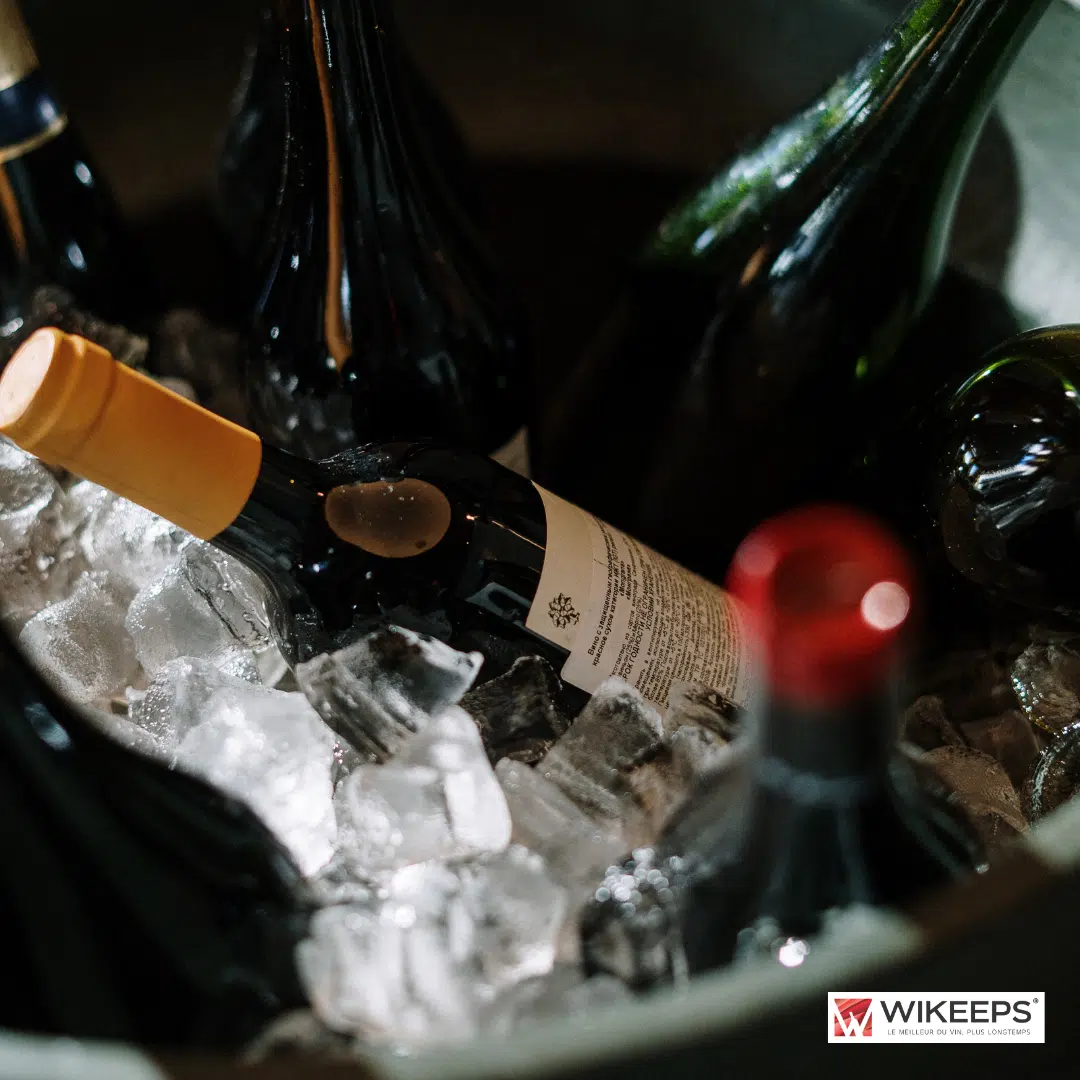
Ideal serving temperature for white wine and rosé wines
38°, 39°, 40°C… Temperatures have reached record highs over the last few days in many parts of France. In these extreme conditions, how can wines be enjoyed at their best?
To enjoy a glass of wine at its finest, the serving temperature for wine is a critical factor. A wine’s expression depends fundamentally on its temperature: cooler drinking temperatures emphasise acidity and mute aromas, whilst warmer degrees soften acidity and enhance aromatic complexity. The more opulent and tannic the wine, the more precise the temperature should be.
As a result, it is strongly advised to serve rosé wines and complex, aged white wines, such as the Grands Crus of Alsace, Burgundy and Bordeaux, as well as appellations from the Rhône Valley and the Loire, between 8 and 10°C. This ideal temperature range preserves delicate aromatics whilst maintaining freshness, where preservation meets precision. A wine refrigerator or wine cabinet ensures consistent storage temperature and ideal wine serving conditions year-round.
Sweet white wines, such as Sauternes, are best served between 12 and 14°C, allowing their richness to emerge without the alcohol dominating. Light red wines such as Beaujolais Nouveau and Gamay should be served at 14 to 16°C, lightly chilled to highlight their fruit-forward character.
Ideal serving temperature for red wine: light, medium and full-bodied
Light-bodied red wines benefit from the correct temperature of 13 to 16°C, which preserves their delicate tannins and aromatics. Medium-bodied red wines, such as Grand Cru Burgundy and Sangiovese, are best served between 14 and 17°C. Full-bodied red wines, such as Cabernet Sauvignon and Barolo, reach their ideal expression at 15 to 18°C.
The difference comes down to control: reaching these fairly precise serving temperatures without a proper wine cooler or wine fridge is rarely straightforward. This wine serving temperature guide underscores why the perfect temperature matters for every style.
In practice, red wines served at room temperature in modern heated homes can reach 25°C or higher, conditions in which alcohol dominates and flavours flatten. Conversely, placing white wines and sparkling varieties on ice can bring them down to around 5°C, which feels refreshingly cool but mutes aromas and prevents the wine from expressing its full character. Above 20°C, prolonged heat exposure begins to damage wine, dulling flavours and accelerating ageing. The correct drinking temperature for wine—whether degrees Celsius warrant adjustment—remains essential to preserving quality from the first pour to the last.
The distinction around “room temperature” is important. The term originally referred to the cool conditions of a cellar, typically 15 to 18°C, rather than the 20 to 25°C commonly found in modern kitchens and dining rooms.
In professional settings, from fine dining establishments to wine bars and Champagne service, consistency is critical. A sommelier cannot afford to serve a red wine over-chilled or allow a white wine to warm beyond its ideal range. Precision in serving temperature directly shapes the guest experience and the quality of the wine, from the first pour to the last.
Wine coolers and wine fridges: achieving perfect serving temperature at home
A compact countertop wine cooler with dual temperature zones allows each compartment to be set between 5°C and 18°C, offering precise control for reds, whites and sparkling wines at the same time. Its compressor cooling system maintains the selected temperature regardless of room conditions, making it well suited to achieving the perfect serving temperature and to wine enthusiasts working with limited space. The dual temperature wine cooler addresses the fundamental challenge: achieving flexible temperature control across a 5–18°C range to suit the best wine temperature to serve for every style.
Wikeeps offers not only a wine preservation and service system, but also countertop wine cellars designed to keep bottles at the right temperature. In practice, stable temperature management also supports better wine conservation over time, enhanced by Wikeeps patented argon and CO2 injection system, while ensuring consistent service from the first pour to the last.
For a detailed guide to the optimal serving temperatures for every wine style, including quick chilling methods such as a 20-minute ice-water bath or a 20-minute stay in the fridge for whites, consult the wine serving temperature resource.
The Wibox range of refrigerated display cases for 2, 4, 5 or 8 bottles allows bottles to be preserved and presented at the optimal temperature. A compact dual-zone wine fridge provides precise control across a 5–18°C range, allowing sparkling wines to be stored at around 6–10°C while keeping reds at 14–18°C within the same unit. Adjustable shelves accommodate different bottle sizes, while a double-glazed door and interior LED lighting showcase the collection and help protect it from ambient heat, where preservation meets precision.
Coupled with the Essential kits and Additional Service kits, these units allow wine to be served by the glass for up to four weeks without the near-immediate oxidation that often affects an opened bottle. The difference comes down to combining temperature control with effective preservation once opened.

Frequently Asked Questions
What is the 20-minute rule for chilling white wine?
The 20-minute rule is a practical way to reach the ideal serving temperature for white wine and rosé without a wine cooler. Place the bottle in an ice-water bath made with equal parts ice and water, then leave it for 20 minutes: this typically lowers the temperature by around 10°C. Conversely, if a white wine has been over-chilled in the fridge, 20 minutes at room temperature will usually bring it back towards the ideal 8–10°C range. In practice, it is a useful technique when serving temperature needs to be adjusted quickly and with reasonable precision.
What is the 30-minute rule for red wine?
The 30-minute rule helps bring red wine to a more suitable serving temperature in two stages. First, place the bottle in the fridge for 30 minutes, which can bring a full-bodied red down from room temperature to around 15–18°C. From there, let it rest for another 30 minutes after opening so the wine can breathe and its aromatics open up whilst holding that cooler serving range. The difference comes down to balance: fresher fruit, better structure, and less emphasis on alcohol.
What temperature is too warm for wine?
Any temperature above 20–25°C starts to put wine at risk, and sustained exposure can cause permanent damage. At that point, alcohol tends to dominate the palate, tannins can feel harsher, and more delicate aromatics begin to fade. Once temperatures rise beyond 25°C, the risk increases further: heat speeds up premature ageing, flattens complexity, and may spoil even a fine bottle. As a result, careful temperature control matters, whether through an ice-water bath, a wine fridge, or a Wikeeps preservation system where preservation meets precision.