
Introduction
With wine, every detail counts. From the choice of grape variety to the winemaking method, each step shapes the final quality in the glass. One of these details is often overlooked: the wine cork.
Yet this small element plays a crucial role in preserving the aromas and overall quality of the wine. This article traces the evolution of corking techniques and the impact of the cork on tasting and preservation.

The role of the wine cork
Wine corks play an essential part in preserving the quality of wine by ensuring that the bottle is hermetically sealed. Without a good cork, wine can oxidise and lose its distinctive aromas.
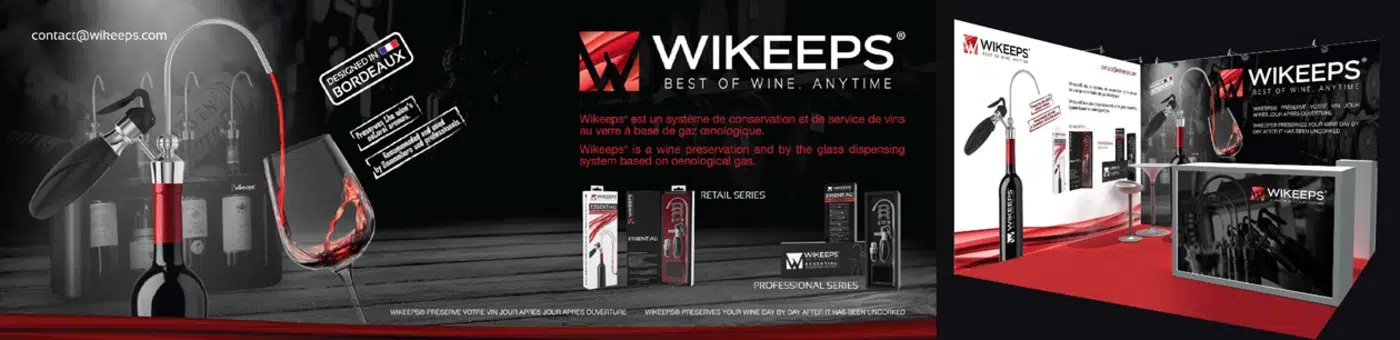
From there, the Wikeeps wine stopper takes over once the cork is pulled: a patented innovation that offers optimum preservation of aromas for up to three weeks after opening.
Innovation in wine preservation
Wikeeps’ major innovation lies in the use of oenological gas cartridges. Thanks to these cartridges, the wine stopper can preserve wine for up to 20 days after opening. The same logic applies to sparkling wines, through the “Bubbl.” patented technology launched in 2022.
Wine corks for sparkling wines
Preserving sparkling wine is a particular challenge, since opening a bottle often results in the loss of its effervescence and aromas. With Wikeeps’ BUBBL system, effervescent wine can now be stored and served by the glass without losing its freshness and sparkle. Combined with this technology, the wine stopper ensures optimal tasting, even days after the bottle has been opened.
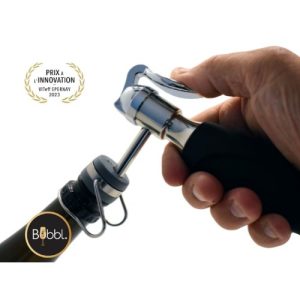
Bubbl. gun. – champagne preservation – sparkling wine
The efficiency of the wine stopper
It is not only efficient, it is also economical and aesthetically pleasing. It keeps wine in optimal conditions without the need for costly or cumbersome equipment. On top of that, its sleek, modern design blends naturally into any tasting environment, whether professional or private.
Into the future with the wine stopper
Wikeeps’ wine closure technology marks a turning point in wine preservation. It promises a future where wine lovers can enjoy their favourite wines by the glass, without fear of spoiling the rest of the bottle. A future where the pleasure of tasting is no longer limited by the constraints of preservation.
FAQ
1. What size cork for wine?
The standard size for a wine cork is 24 mm in diameter and 45 mm in length. This size may vary slightly depending on the type of wine and bottle.
Longer corks also exist, often used for higher-quality wines or wines destined for longer ageing, and they can measure up to 49 mm in length. Diameters vary too, with some high-quality corks measuring up to 26 mm.
2. What impact does the wine cork have on wine enjoyment?
The wine stopper preserves the wine’s aromas, ensuring optimal tasting even days after the bottle has been opened.
3. Can corks be recycled?
Yes, corks can be recycled. Corks are 100% natural, biodegradable and renewable.
Once collected, recycled cork can be turned into a variety of products, including flooring, building materials, sporting goods, automotive components, handicrafts and much more.
Several cork recycling programmes exist around the world. Depending on where you live, there may be cork collection points in your community, or you may have the option of posting your corks to recycling organisations.
Conclusion
The wine stopper is more than an accessory: it is a true ally for wine lovers. Thanks to innovative technologies such as those developed by Wikeeps, wine stoppers play an essential role in preserving aromas and enhancing wine enjoyment.
They offer a practical, economical and aesthetic solution for serving and storing wine in optimal conditions. Whether for still or sparkling wines, it promises an optimal tasting experience that can transform the relationship with wine.
It symbolises the evolution of the wine industry and testifies to its constant adaptation to consumer needs and expectations. Far from being just a product, it marks a revolution in wine preservation and tasting.