
Selecting the ideal glass vessel can transform your wine experience by enhancing both taste and aroma. Whether you prefer bold young reds or delicate aged vintages, this guide will help you find the perfect red wine decanter. We’ll examine how different design features optimize aeration and explore how Wikeeps’wine preservation solutions work alongside traditional decanting methods.
You’ll discover lead-free crystal wine decanter options, effective techniques for handling sediment, and professional tips for serving. By the end, you’ll know exactly which decanter suits your collection and how to maintain wine preservation. We’ll also discuss modern inert-gas systems that keep opened bottles fresh.
Which decanter shape best suits your red wine
The shape of your wine decanter directly affects how oxygen interacts with your wine. Wide, elegant bowls create greater surface exposure, while narrower necks control the breathing rate. Understanding these differences helps you choose the right carafe for your favorite reds.
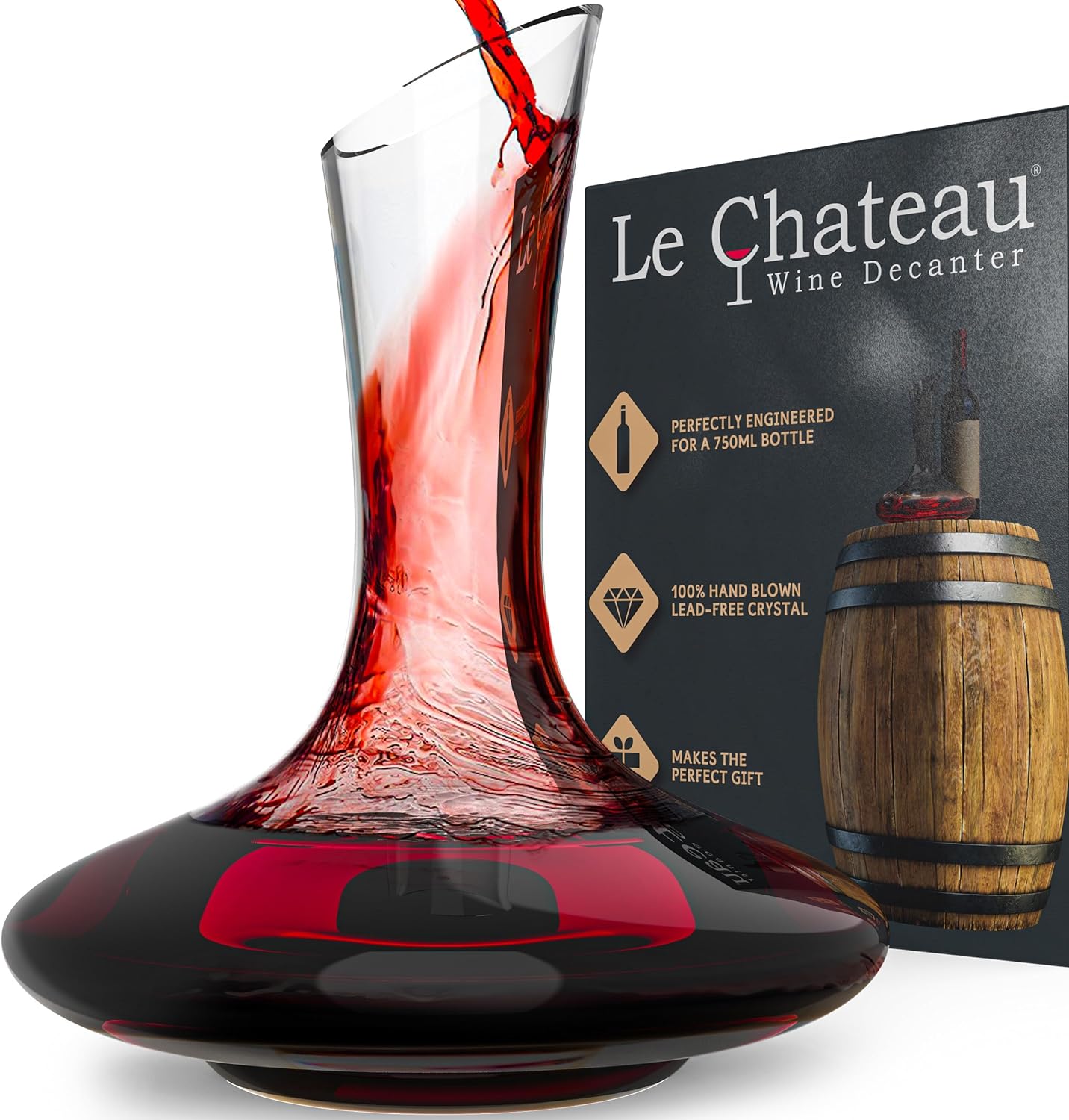
Wide-bowl decanters for young, tannic reds
Young, bold reds like Cabernet Sauvignon need aggressive aeration to soften their tannins. A wide-bowl decanter provides maximum surface area, allowing these robust wines to breathe for 1-2 hours. When you pour wine slowly along the inner curve, you optimize oxygen contact.
A crystal wine decanter with stopper lets you precisely manage exposure time. Remove the stopper once tannins soften to your taste – this ensures powerful wines reach their full potential. For best results with young reds, consider this elegant solution.
Classic tulip and narrow-neck designs for aged wines
Tulip-shaped decanters offer balanced aeration, perfect for medium-bodied reds like Merlot needing about 45 minutes to open. Narrow-neck designs better suit delicate older wines like Pinot Noir, limiting air exposure to just 30 minutes.
While the coravin wine aerator price may vary, these traditional designs provide a cost-effective alternative. Their structure preserves subtle aromas in aged wines that rapid aeration might otherwise destroy.
- Swan-bowl design: Ideal for young tannic reds needing 1-2 hours of oxygen exposure
- Tulip shape: Perfect balance for medium-bodied wines requiring moderate aeration
- Narrow-neck carafe: Protects delicate older wines with limited 20-30 minute exposure
- Fish-bowl profile: Combines dramatic presentation with fast oxygen integration
Each shape serves a specific purpose – wide bowls help young wines open up, while narrow designs respect the complexity of aged vintages. Choose accordingly based on your wine’s characteristics.
Crystal decanters with stoppers for preservation
Lead-free crystal glass offers superior clarity and light refraction compared to standard glass. A fitted stopper enables gradual oxygen exchange while keeping dust out during long meals. Cork or composite stoppers work best, preventing rapid oxidation while allowing subtle wine development in the glass vessel.
A crystal wine decanter with stopper elevates your serving experience to new levels of sophistication. Guests can admire the wine’s color while you control pouring timing. Between courses, simply replace the stopper to maintain freshness.
Funnel-style decanters with built-in sediment filters
Aged wines like vintage Ports often develop sediment after years in bottle. Funnel-style decanters with integrated filters automatically catch these particles during pouring. Stainless steel mesh effectively traps sediment without damaging the crystal glass, and cleans effortlessly.
- Built-in mesh filters: Remove sediment for clear, grit-free pours
- Stainless-steel screens: Durable and scratch-resistant for long-term use
- Dual-chamber design: Automatically separates sediment from clear wine
A funnel-style decanter honors your investment in older wines by delivering pristine liquid every time. It protects delicate sediment while ensuring a perfect tasting experience.
Finding the ideal red wine decanter involves selecting a vessel with a generous wide base design to optimize air interaction. This elegant shape promotes smooth oxygen circulation while an integrated strainer effectively captures sediment from mature wines. Unlike harsh mechanical gadgets, a quality decanter enables gradual aeration that enhances delicate aromas while mellowing tannins. When dealing with youthful fine red vintages, the expanded surface area helps develop flavors without over-oxidation. Always sample a small portion when you pour wine to verify the decanter enhances complexity before decanting the entire bottle. Explore professional aeration methods that complement classic decanting for the best wine experience.
How long should you decant different red wines
Perfecting your aeration timing transforms an ordinary serving into an exceptional tasting experience. Each wine variety has an optimal moment when tannins soften and aromas awaken while maintaining its structure. Recognizing these unique characteristics prevents both under-aerated disappointment and over-oxidized wine.
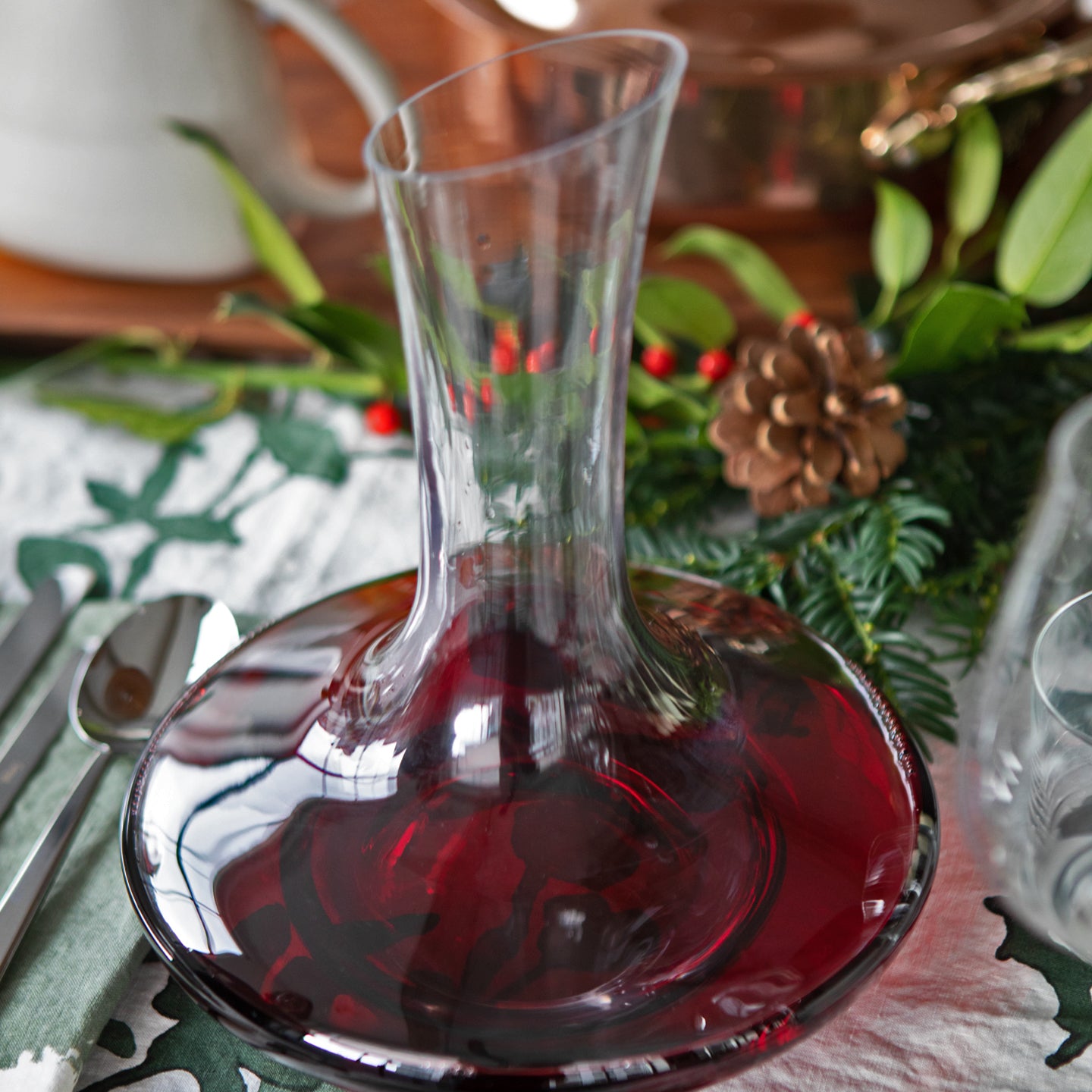
Aeration timing for young versus aged reds
Young, tannic wines often benefit from one to two hours in a wine decanter to round out their edges. These vintages need thorough aeration to tame aggressive tannins and unlock their fruity potential. Begin tasting after 45 minutes, checking every 15 minutes until the wine feels balanced on your palate. Bold varietals like Syrah frequently need the full two hours for their spicy character to integrate beautifully.
Conversely, delicate aged wines like a 2005 Burgundy require a much lighter touch. Carefully pour wine and serve within half an hour to safeguard the nuanced aromas developed over years. Well-matured bottles—older Bordeaux for instance—only need 10 to 20 minutes to breathe while conserving the earthy qualities defining fine red wines.
| Wine style | Decanting time | Wine character |
| Young Cabernet Sauvignon | 1–2 hours | Harsh tannins soften; fruit emerges |
| Full-bodied Malbec (2016) | ~1 hour | Robust structure mellows; balance achieved |
| Robust Syrah | Up to 2 hours | Peppery notes integrate; complexity develops |
| Mature Burgundy (2005) | 20–30 minutes | Delicate aromatics preserved; subtle depth revealed |
| Aged Bordeaux | 10–20 minutes | Tertiary notes protected; elegance maintained |
| Medium-bodied Merlot | 20–30 minutes | Moderate aeration opens flavor without flattening |
Mastering wine decanting requires experience, so when in doubt, take a cautious approach. Remember that under-aerated wines will continue opening in your glass during dinner—but once a wine has been dulled by excessive oxygen, those lost nuances can’t be restored.
Step-by-step decanting technique for sediment control
The right technique preserves wine quality while effectively removing unwanted sediment. Your choice of decanter materials is important—opt for lead-free crystal or clear glass to easily monitor your pour. For best results, stand the bottle upright 24 hours before serving to let solids settle at the base. When ready, pour wine gently against the decanter’s inner wall to minimize agitation.
Testing wine readiness with the 15-minute method
If uncertain about decanting duration, try the reliable 15-minute test method. Taste a small sample after 15 minutes to assess whether tannins have softened or aromas remain closed. If the wine still seems tight, return it to the decanter and recheck every ten minutes.
This cautious approach prevents damage from excessive air exposure. Common supermarket reds often benefit from about an hour in a standard design, while premium wines may require less time due to better balance. Mass-produced bottles frequently peak after about 90 minutes.
Seasoned sommeliers rely on their palate rather than strict timing to judge readiness. A young wine is ready when its texture smooths out and fruit flavors become vivid. Aged fine red wines demand extra attention to subtle bouquet changes.
Built-in aerators versus traditional decanting time
Modern aerators with built-in filters offer instant aeration during pouring, providing sediment control and convenience. These devices vigorously mix wine during transfer, ensuring equal oxygen exposure for every drop. They’re perfect for gatherings where guests want open, expressive wine without waiting.
However, traditional red wine decanter methods remain superior for delicate, aged bottles. Gradual exposure over 30 minutes allows complex aromas to develop naturally without the shock of forced mixing. While electric aerators suit quick service, they can’t match the precision needed for truly exceptional vintages.
- Upright positioning: Let bottles stand undisturbed for a full day to ensure sediment collects at the bottom.
- Cork removal: Extract the cork smoothly to prevent shaking the bottle and clouding the wine.
- Precise pouring: Guide the wine along the decanter wall in a thin, steady stream.
- Watchful eye: Monitor the bottle neck and stop pouring if you spot any particles.
Stop pouring immediately if sediment begins moving toward the neck. This careful method ensures only clear wine enters your wine decanter. For extra protection, use a fine mesh filter to catch any stray particles that might escape notice.
Once transferred, let the decanter rest on a stable surface before serving. Young reds typically need 30-45 minutes, while older vintages require just 10-20 minutes. This brief rest period lets the wine recover from pouring while aeration continues working its magic.
Decanting is the foundation of serving red wine properly, and knowing when to use a wine decanter versus an aerator makes all the difference. A wide glass vessel gives tannic young reds the space they need to breathe, while specialized designs with built-in filters help separate sediment from mature bottles. Younger, bolder wines typically benefit from 30–60 minutes of aeration, while delicate aged varieties often need just 10–20 minutes. Discover the perfect red wine decanter and learn how Wikeeps preservation techniques enhance your serving experience.
Decanter versus aerator: Which enhances red wine better
While both tools improve red wine, they work differently and serve distinct purposes. Recognizing their unique advantages helps you select the right one for your wine collection and entertaining needs.
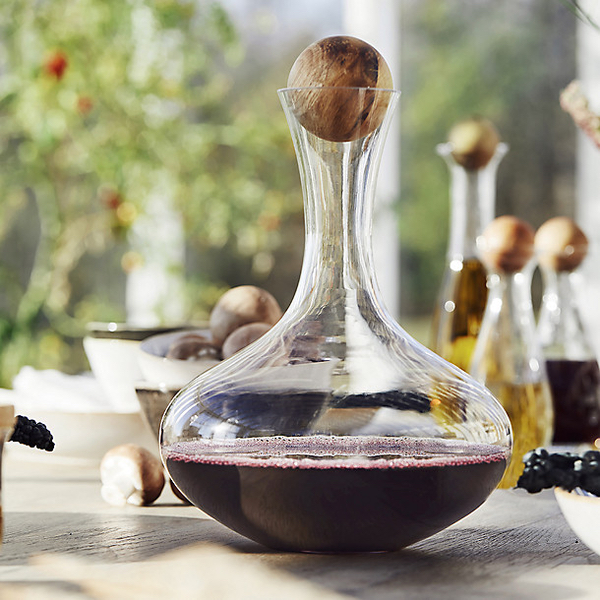
Understanding aeration versus sediment decantation
Aeration introduces oxygen to the wine, unlocking aromas and softening tannins—a process accelerated by the broad surface area of wide decanters. In contrast, decantation focuses on removing sediment from older wines to improve clarity and texture. Some decanters feature built-in screens that filter out particles without disturbing the wine’s natural sediment. The choice between a decanter and an aerator ultimately depends on your goal: oxygen exposure, sediment removal, or both.
Young wines typically need oxygen to open up their flavors, making aerators or wide decanters ideal. However, aged wines require gentler treatment—excessive aeration can overwhelm their delicate aromas. Narrow decanters handle older wines elegantly, preserving their nuanced character while still removing sediment.
When to choose a decanter over an aerator
Mature reds particularly benefit from decanters that prevent over-oxidation—too much exposure to air can strip away their complexity. Aged Burgundies, for example, can lose their subtle earthy notes if aerated too aggressively. For wines with sediment, funnel-style decanters with fine filters work best, as aerators can clog or disrupt settled particles.
- Aged wines: Opt for gentle decanters, limiting oxygen exposure to 20–30 minutes to protect delicate aromas.
- Sediment-heavy bottles: Mesh-filtered decanters efficiently remove sediment, while aerators lack this capability.
- Tasting flights: Decanters allow gradual aeration across multiple glasses, unlike single-serving aerators.
Bold young reds soften quickly in a decanter (30–45 minutes) or with an aerator for instant serving. However, decanters offer more control for multi-course meals, a flexibility aerators can’t match. While aerators work for quick dinner service, they often fall short for truly aged vintages that demand precision.
Preserving leftover wine after decanting
Since decanters aren’t airtight, leftover wine can spoil if left exposed. To prevent this, pour the remaining wine back into its original bottle and seal it with an inert gas (argon or CO₂) to keep it fresh for up to a month in proper conditions—protecting both quality and investment.
Modern preservation systems use food-grade gas to create a protective layer over decanted wine, working seamlessly with Wikeeps technology. A dose-by-dose approach allows you to enjoy wine gradually while keeping the rest perfectly preserved—minimizing waste without sacrificing flavor.
During multi-course meals, store the decanter in a wine fridge (55°F/13°C) and cover it with a glass dome to slow oxidation. Replace stoppers between courses to limit air exposure. These small steps elevate a simple dinner into a refined wine experience that honors each bottle’s character.
Electric and automatic decanter innovations
Electric decanters automate aeration with rechargeable batteries, streamlining the process for hassle-free entertaining. Advanced models combine aeration, dispensing, and even whiskey pouring—though they may lack the classic beauty of traditional crystal decanters.
Luxury wine decanter sets with rotating mechanisms ensure even oxygen distribution while adding a dramatic flourish—ideal for social gatherings where presentation matters. Still, many wine enthusiasts prefer timeless crystal designs for their elegance and precise control over aeration.
Maintaining and Cleaning Your Red Wine Decanter
With proper care, your elegant glass vessel can remain beautiful and functional for years. While red wine stains can set quickly, prompt attention prevents lasting damage to delicate crystal surfaces.
Immediate Rinsing and Safe Cleaning Practices
Start cleaning decanters right after use to avoid tannin buildup. Rinse your wine decanter thoroughly with warm water, swirling gently to cover all interior surfaces. While crystal typically requires no soap, plain glass can benefit from a mild, fragrance-free cleaner and soft brush to prevent scratches.
- Quick action: Flush with warm water immediately after use to prevent drying tannins from sticking
- Gentle cleansers: Use odor-free, mild soaps that won’t affect future wine flavors
- Soft tools: Choose non-abrasive brushes to maintain the decanter’s polished finish
- Acid caution: Avoid vinegar on crystal as it can dull the refined design
For tough stains inside intricate designs, specialized decanter cleaner products work wonders. Cleaning beads or effervescent denture tablets dissolved in warm water help remove residue without harsh scrubbing. These solutions are perfect wine accessories – the beads work physically while enzymes break down organic matter.
Drying and Storing Decanters to Prevent Damage
Proper drying is key – either place upside down on a clean towel or use a dedicated decanter dryer to avoid water spots. Ensure complete air circulation inside to prevent moisture buildup, especially in humid areas. Helpful decanter accessories like drying stands protect the rim while speeding up evaporation.
Store your red wine decanter upright where dust can’t settle inside. Keep it away from sunlight which can heat the glassware. Regularly check stoppers and replace any that absorb odors. If cloudiness appears on glass (not crystal), a mild vinegar rinse followed by hot water can restore clarity before thorough drying.
Essential Decanter Accessories and Gift Bundles
Complete care kits with drying stands, cleaning tools, and filters make excellent gifts and simplify maintenance. Premium decanter cleaner products remove tough stains while preserving your glass vessel’s finish. Luxury packaging turns these practical wine accessories into cherished gifts for special occasions.
The right tools transform decanter care from chore to pleasure. Professional-grade brushes and stands work together to keep your glassware pristine. Consider assembling a full set with stoppers and cleaning solutions for effortless, consistent wine service.
Online Tools for Selecting the Perfect Decanter
Retail websites offer helpful tools to find your ideal wine decanter. Filter options let you sort by price and ratings, making it easy to compare designs within your budget. Store locators help check local availability before ordering.
Website features like “recently viewed” items help you revisit options quickly. Portable aerators attach directly to bottles for travel convenience when a traditional glass vessel isn’t practical, offering full functionality anywhere.
Frequently Asked Questions
What kind of decanter is best for red wine?
The perfect wine decanter depends on your red wine’s characteristics. For bold young reds like Cabernet or Syrah, choose a wide-bowl design to maximize aeration over 1–2 hours. Tulip-shaped decanters work beautifully for Merlot and other medium-bodied wines, usually needing just 45 minutes to breathe.
With delicate aged wines, opt for a narrow-neck carafe to minimize air exposure to 30 minutes or less. For vintages with sediment, select a funnel-style red wine decanter featuring a mesh filter. Always pick lead-free crystal decanters – they’re safer, clearer, and add an elegant touch to serving.
Should red wine go in a decanter?
Nearly all red wines benefit from decanting, though timing varies. Young, tannic reds absolutely need it – the process softens harsh edges and unlocks hidden aromas. Even medium-bodied varieties show remarkable improvement after just 20-30 minutes of air exposure.
For fragile aged reds, limit decanting to 10-20 minutes – just enough to remove sediment while preserving delicate scents. Surprisingly, even budget wines transform after an hour in a decanter. While whites rarely need it, oaked Chardonnay can improve with a quick 5-minute swirl. When uncertain, try a small 15-minute test pour before committing the entire bottle.
How long should I let red wine sit in a decanter?
Decanting duration depends on the wine’s age and body. Robust young full-bodied red wines (think Cabernet or Syrah) typically need 30-60 minutes to soften tannins and reveal flavors. A powerful Syrah might require two hours for its spicy notes to fully develop, while a rich Malbec often hits its stride after one hour.
Medium-bodied varieties like Merlot usually peak after 20-30 minutes – enough time to open up without risking over-oxidation. Conversely, delicate aged wines like mature Burgundy should only decant for 10-20 minutes to safeguard their fleeting aromas. The smart approach? Start with 15 minutes, then extend if needed. Taste periodically to catch that magic moment when the wine’s character fully blossoms in your elegant decanter.